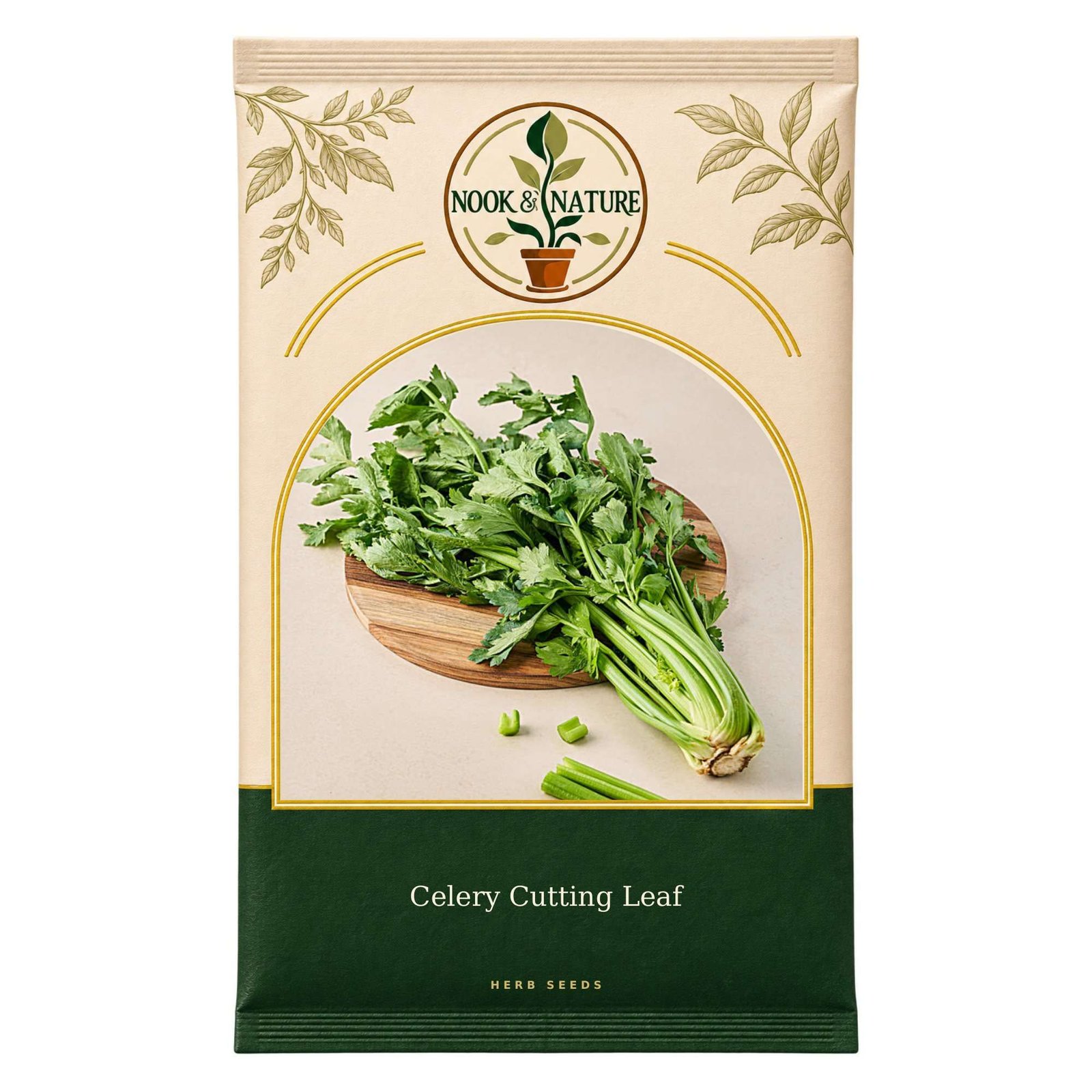
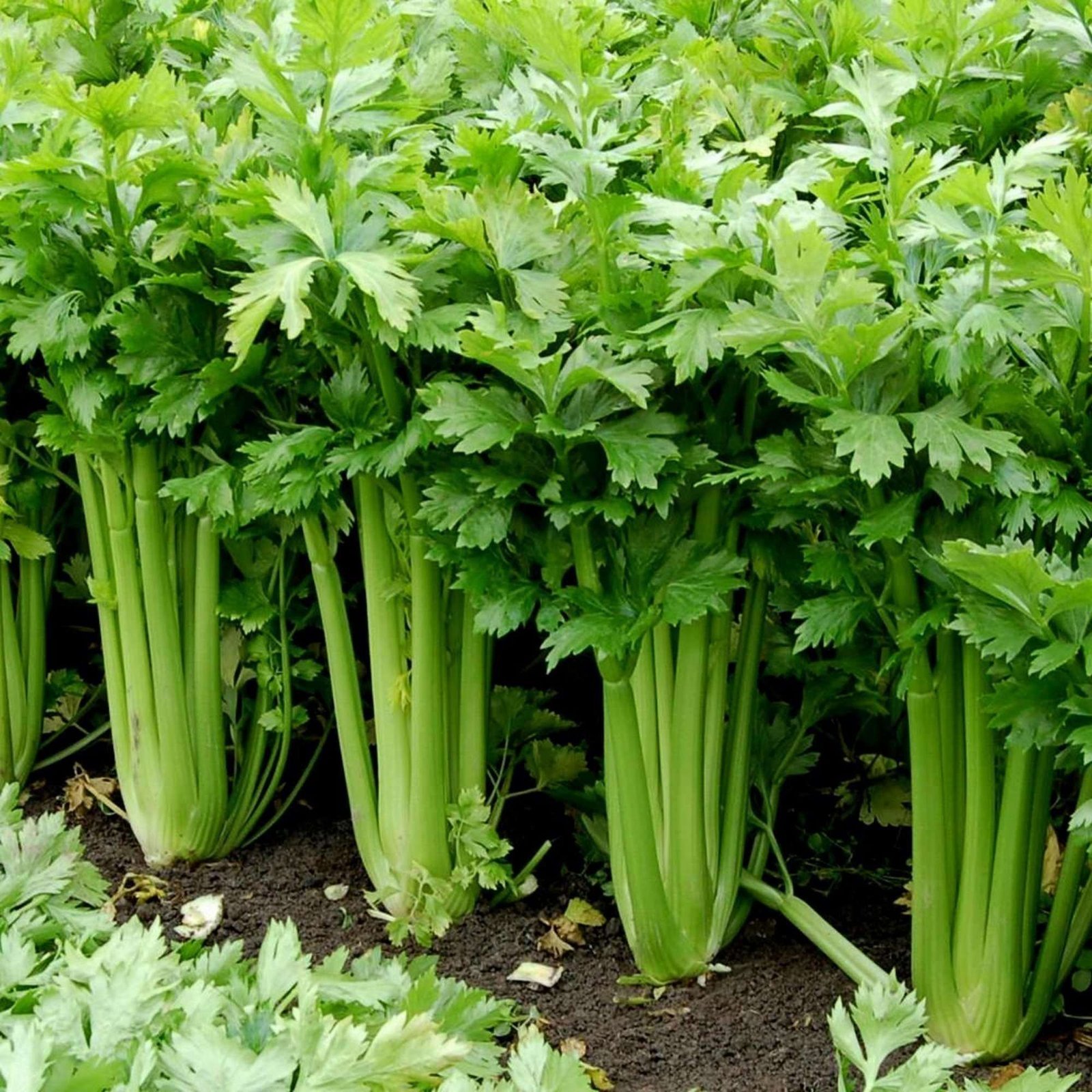
🌱 Celery Cutting Leaf Seeds — Complete Growing & Care Guide
Cool-season crop grown for leafy stalks or an enlarged edible root depending on the named variety. This guide supplements the original product facts below; timing and yield are indicative.
📦 Original Product Description & Sowing Specifications
Description
Celery Cutting Leaf Seeds is a vegetable seed variety suitable for home gardens, kitchen gardens, pots, grow bags and suitable open-field cultivation. Plant growth, colour, yield and maturity may vary depending on climate, soil, sunlight, watering, nutrition and after-care.
Key Features
- Distinctive variety suitable for home and kitchen gardens
- Aromatic leafy vegetable suitable for cool-season cultivation
- Suitable for home gardens, kitchen gardens and small-scale cultivation
- Best results in well-drained soil with suitable sunlight and regular care
- Keep the growing medium evenly moist during germination and avoid waterlogging
Growing Information
- Germination Temperature: 15–21°C
- Sowing Months (North India): August–October
- Sowing Months (South India): September–November
- Plant Spacing: 20–30 cm
- Method of Sowing: Nursery raising followed by transplanting
- Sowing Depth: Surface sow or cover very lightly
- Approximate Maturity Period: 100–150 days
Important: This growing information is general guidance. Follow the instructions printed on the original seed packet wherever available. Germination and crop performance depend on seed storage, local weather, soil quality, sowing depth, moisture, nutrition and crop care.
1️⃣ Seed Starting & Transplanting
Sow into fine moist growing medium, following the original packet depth. Celery-type seeds are tiny and should not be buried deeply. Keep the mix consistently damp without waterlogging and transplant gently once established; seedling growth is slow. Choose the sowing season indicated in the original specifications and adjust to local climate. Protect small seedlings from harsh midday heat, heavy rainfall and birds.
☀️ Light, Soil & Plant Spacing
Grow in a sunny, airy garden bed or sufficiently large container, with extra afternoon shade during unexpected heat. Use loose, well-drained soil enriched with fully decomposed compost. Avoid overcrowding and keep weeds controlled with shallow cultivation or mulch.
💧 Water & Feeding
Water gently after sowing. During growth, keep the root zone evenly moist but never constantly soggy; in containers check moisture more often. Water at the soil line in the morning. Provide compost-rich moisture-retentive yet well-drained soil and regular measured feeding at label rates. Uneven moisture can affect stalk or root quality.
🐛 Pest, Disease & Prevention
Monitor aphids, leaf miners and slug damage. Improve airflow, remove affected leaves and avoid soaking the foliage to reduce leaf blights; use crop-approved solutions only when needed. Inspect weekly, dispose of severely affected material, sanitise tools and avoid planting the same crop family repeatedly in the same soil. Always follow the permitted pesticide label and local rules.
🧺 Harvesting
Snip outer leafy stems once sufficiently developed, leaving the central growing point for further harvests. Do not rely on a fixed day count: the original packet maturity figure is approximate and weather can shift readiness. Use clean tools, wash produce and handle gently.
❓ FAQs
Can I use a pot? Yes, if it is deep enough for the roots and has drainage.
Why is growth slow? Temperature extremes, low nutrients, root crowding and inconsistent moisture can slow development.
How do I avoid pest damage? Inspect new growth regularly, maintain airflow and intervene early with crop-safe methods.
No germination or harvest guarantee is implied. Follow the physical packet for variety-specific sowing depth, spacing and time.











Reviews
There are no reviews yet.