🌿 Rosemary Herb Seeds — Detailed Sowing-to-Harvest & Pest Guide
Aromatic perennial herb for suitable sunny, freely draining beds or pots.
Description
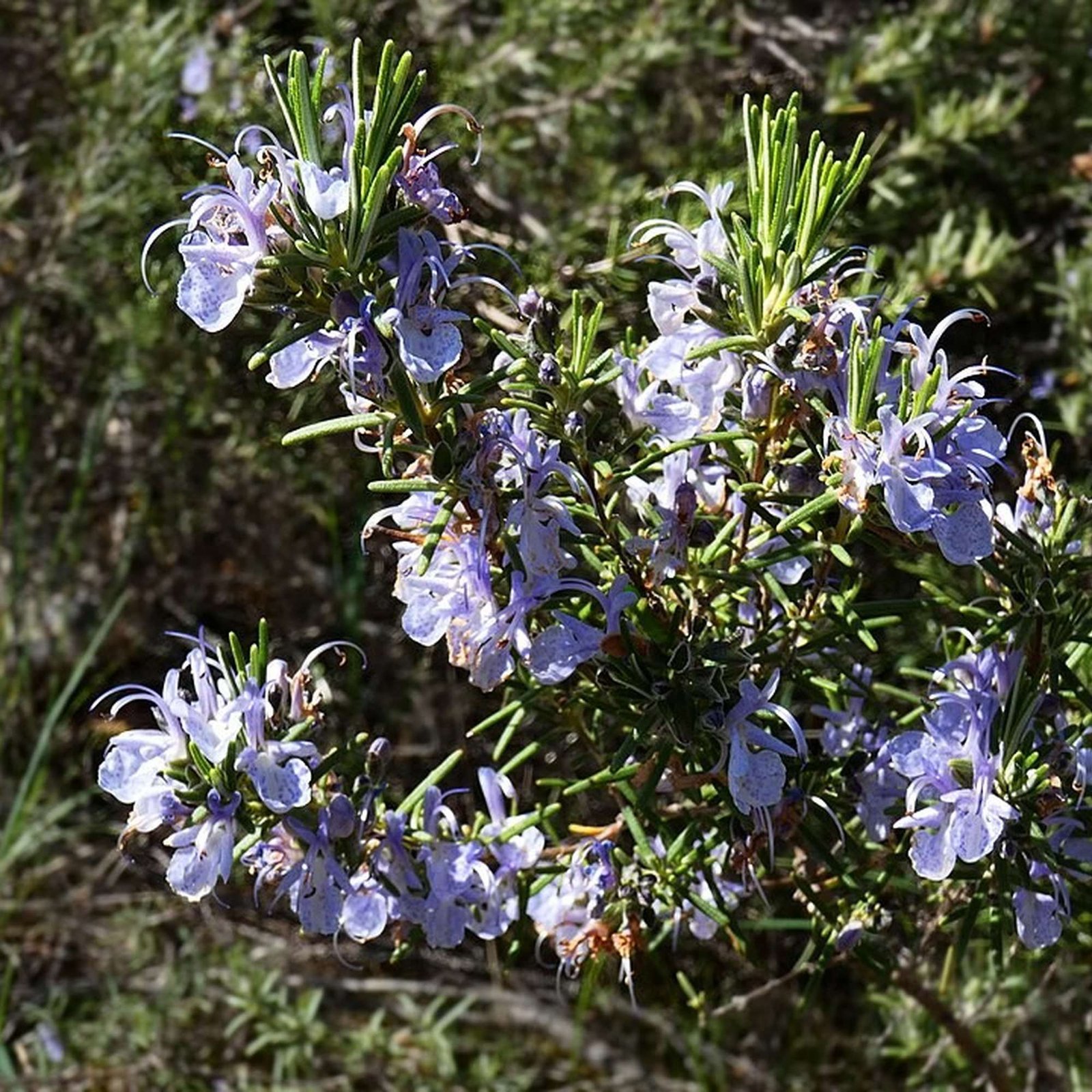
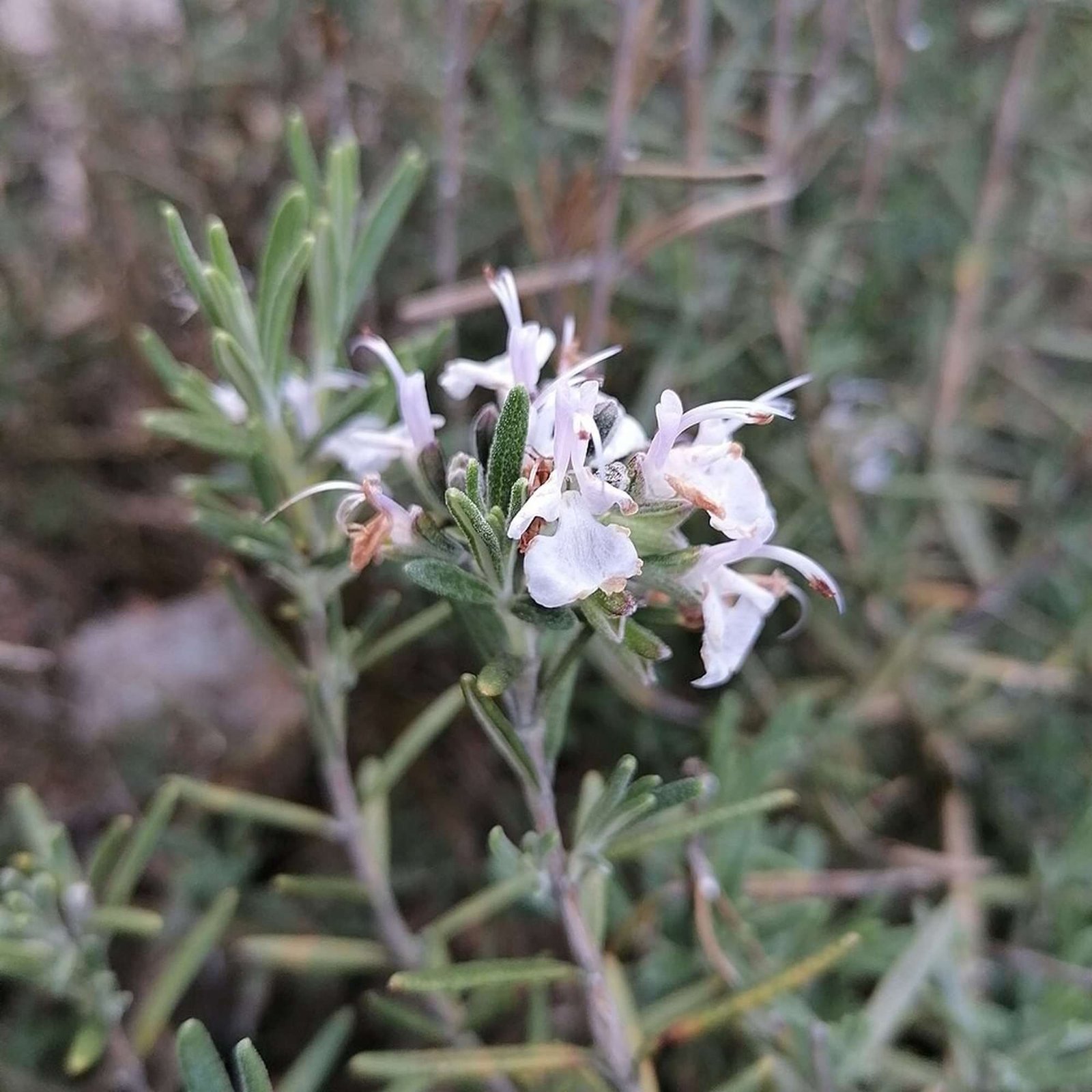
Rosemary Herb Seeds is an herb seed variety suitable for home gardens, kitchen gardens, pots, grow bags and suitable open-bed cultivation. Plant growth, aroma, leaf colour and harvest time may vary depending on climate, soil, sunlight, watering, nutrition and after-care.
Key Features
- Woody aromatic herb suitable for sunny pots and well-drained beds
- Suitable for home gardens, kitchen gardens, pots and grow bags
- Suitable for small-scale home gardening and seasonal herb cultivation
- Best results in well-drained growing media with suitable sunlight and regular care
- Keep the growing medium evenly moist during germination and avoid prolonged waterlogging
Growing Information
- Germination Temperature: 18–24°C
- Sowing Months (North India): October–February under mild conditions
- Sowing Months (South India): November–January in cooler locations
- Plant Spacing: 45–60 cm
- Method of Sowing: Nursery raising followed by transplanting
- Sowing Depth: Surface sow or cover lightly
- Approximate Harvest Period: Long-duration crop; first cutting may take 120–180 days
Important: This growing information is general guidance. Follow the instructions printed on the original seed packet wherever available. Germination and plant performance depend on seed storage, local weather, soil quality, sowing depth, moisture, nutrition and crop care.
🌱 Sowing & Establishment
Sow according to the original packet in a well-draining seed mix. Rosemary and thyme can germinate slowly and unevenly. Protect small seedlings from strong rain and transplant only when rooted and established.
☀️ Light, Soil & Water
Give full sunlight and excellent drainage; use a gritty potting mix when needed. Water gently while seedlings establish, but allow the surface to dry somewhat before the next watering once plants mature. Feed lightly; excessive nitrogen can promote weak, soft growth.
🐛 Pest & Disease Watch
Inspect for aphids, mites and occasional whiteflies. Root rot is a major risk in poorly drained pots; prune affected growth and increase airflow to reduce fungal problems. Apply only approved treatments according to the label.
✂️ Harvest & Maintenance
Once established, snip small aromatic shoots as needed without cutting into large amounts of old bare wood. Dry shoots in airy shade or use fresh after washing.
❓ Gardener FAQs
Can I grow it in a pot? Yes, with ample drainage and enough root space.
Why do seedlings collapse? Constantly wet medium, poor airflow or damping-off may be involved.
When should I harvest? Wait until the plant is sturdy enough to recover after pruning.
Seed germination, growth and harvest vary. follow the seed packet instructions and local conditions.








Reviews
There are no reviews yet.