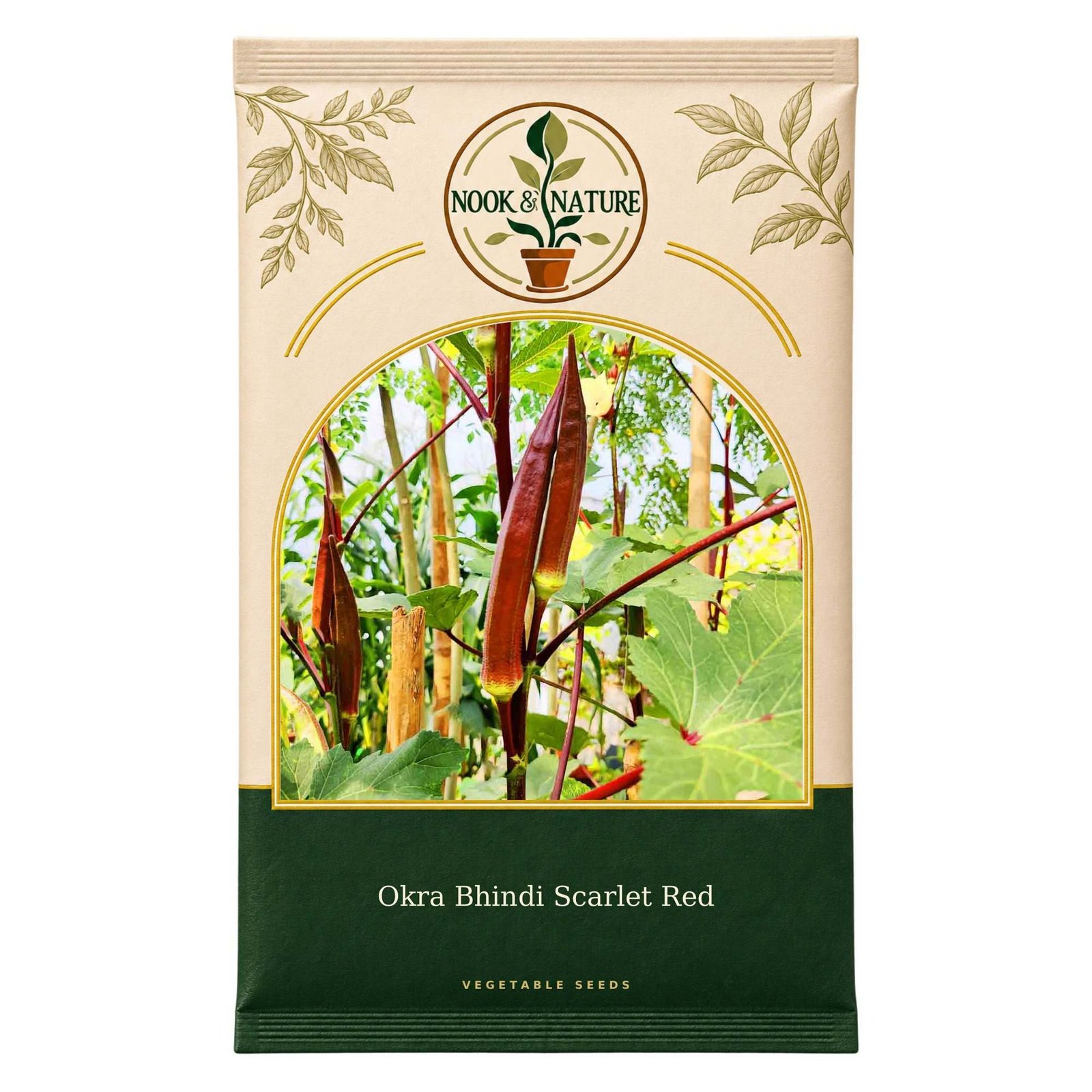
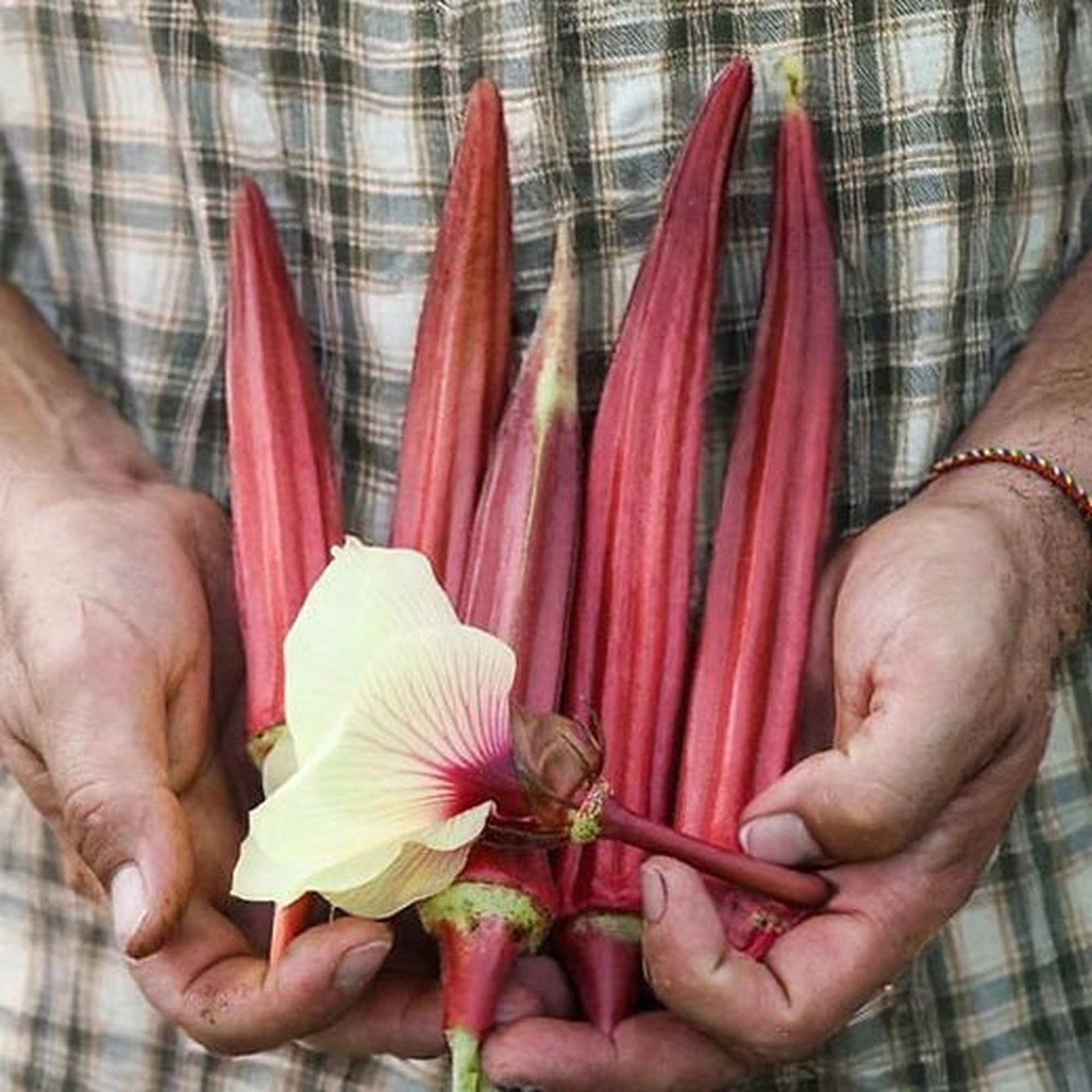
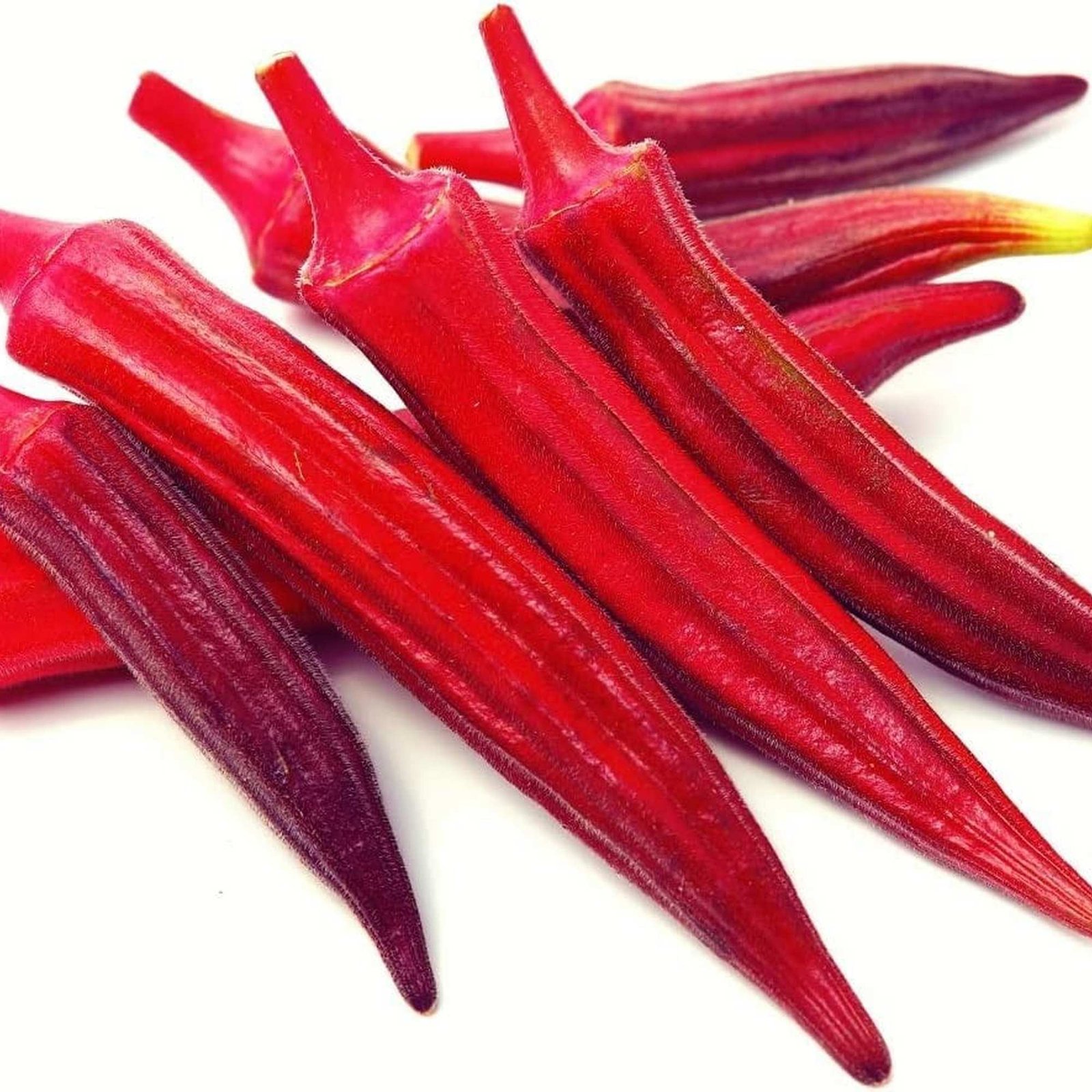
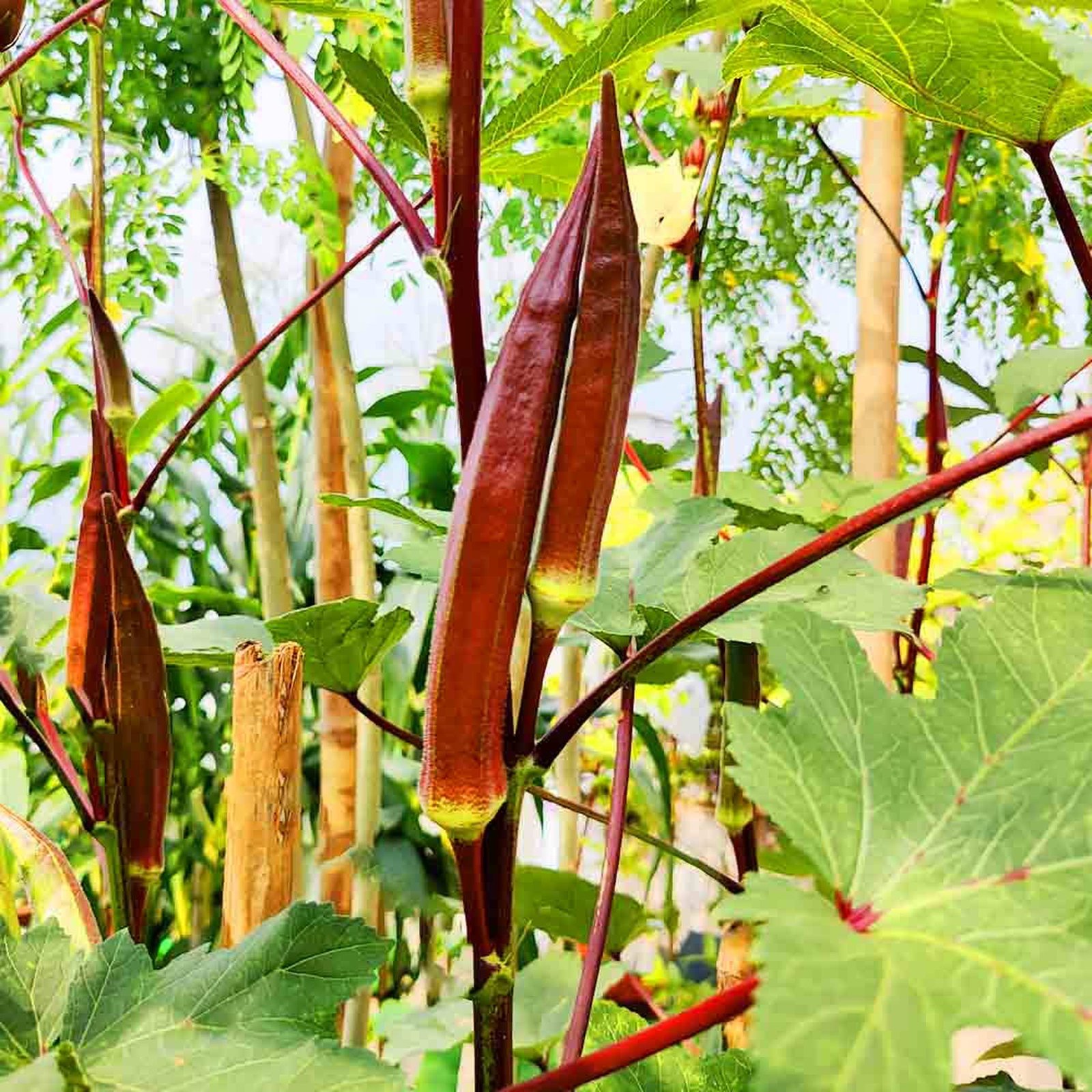
🌱 Okra Bhindi Scarlet Red Seeds — Complete Growing & Care Guide
Warm-season edible okra grown for tender pods. Original listing characteristics and sowing specifications are preserved below.
📦 Original Product Facts
Description
Okra Bhindi Scarlet Red Seeds is a vegetable seed variety suitable for home gardens, kitchen gardens, pots, grow bags and suitable open-field cultivation. Plant growth, colour, yield and maturity may vary depending on climate, soil, sunlight, watering, nutrition and after-care.
Key Features
- Distinctive red-coloured produce or foliage
- Warm-season vegetable with good home-garden productivity
- Suitable for home gardens, kitchen gardens and small-scale cultivation
- Best results in well-drained soil with suitable sunlight and regular care
- Keep the growing medium evenly moist during germination and avoid waterlogging
Growing Information
- Germination Temperature: 24–32°C
- Sowing Months (North India): February–July
- Sowing Months (South India): January–August
- Plant Spacing: 30–45 cm
- Method of Sowing: Direct sowing
- Sowing Depth: 2–3 cm
- Approximate Maturity Period: 45–60 days
Important: This growing information is general guidance. Follow the instructions printed on the original seed packet wherever available. Germination and crop performance depend on seed storage, local weather, soil quality, sowing depth, moisture, nutrition and crop care.
🌱 Sowing & Seedling Establishment
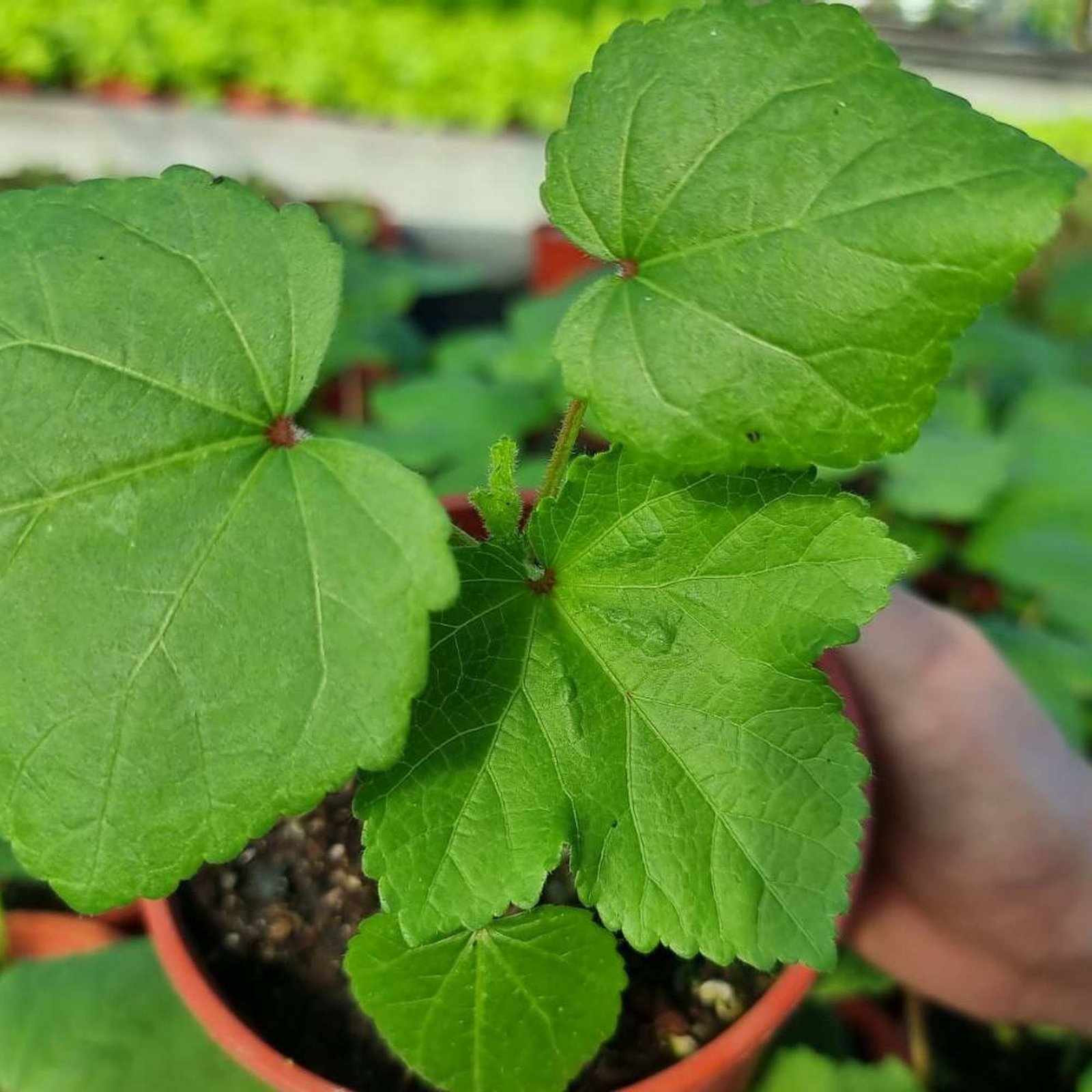
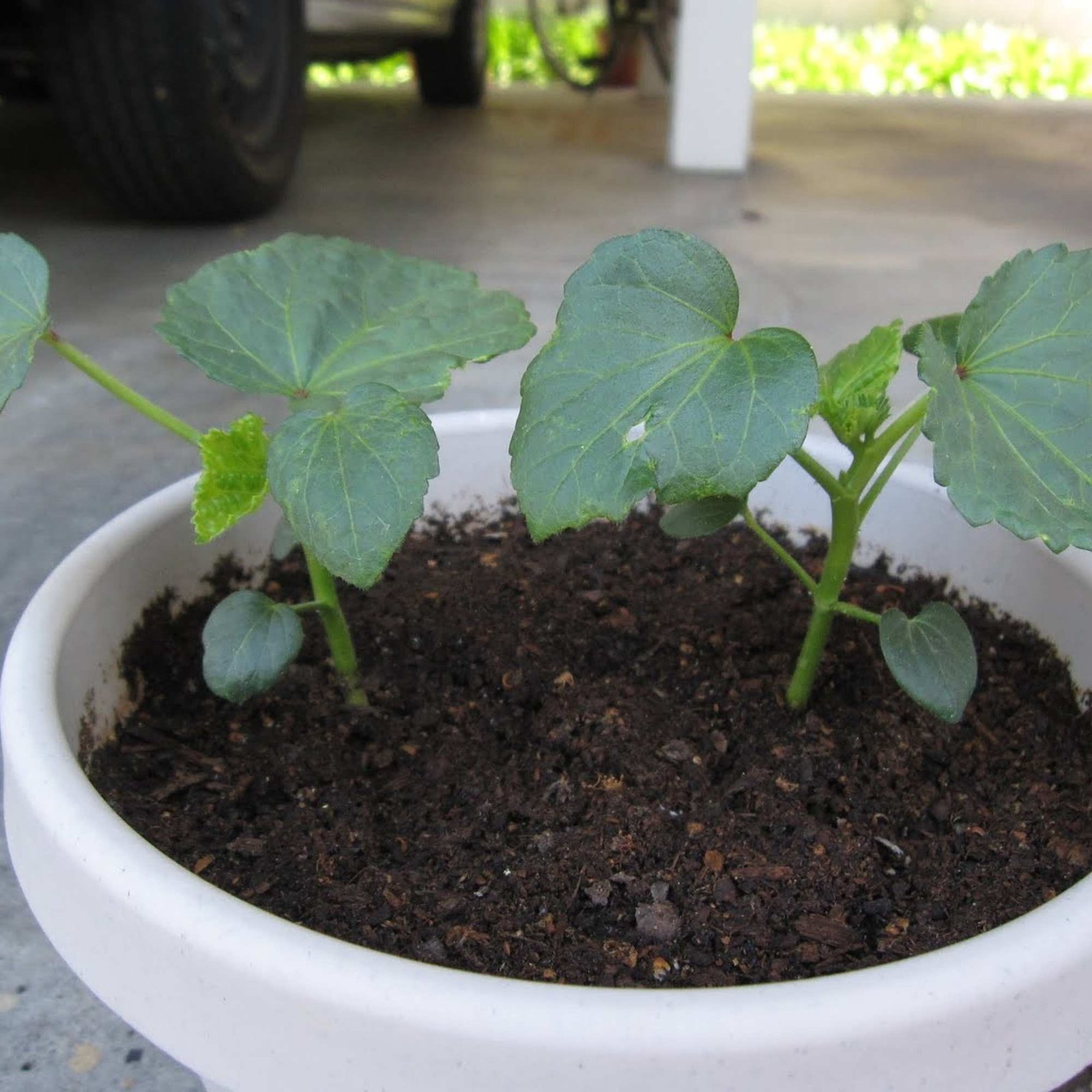
Direct-sow in warm soil after the danger of cold weather passes, or raise seedlings in individual cells and transplant without disturbing roots. Thin plants to source spacing. Keep the starting medium moist but never waterlogged; germination depends on warmth, viability and storage.
☀️ Soil, Sunlight & Spacing
Provide full sun, plenty of root space and free-draining soil improved with mature compost. Allow mature spacing according to the packet, avoiding competition and crowding.
💧 Water & Fertiliser
Water deeply when the surface soil starts to dry, increasing attention during flowering and fruit formation. Feed modestly with balanced crop-appropriate fertiliser at label rates; avoid excess nitrogen that favours leaves over blooms or fruit.
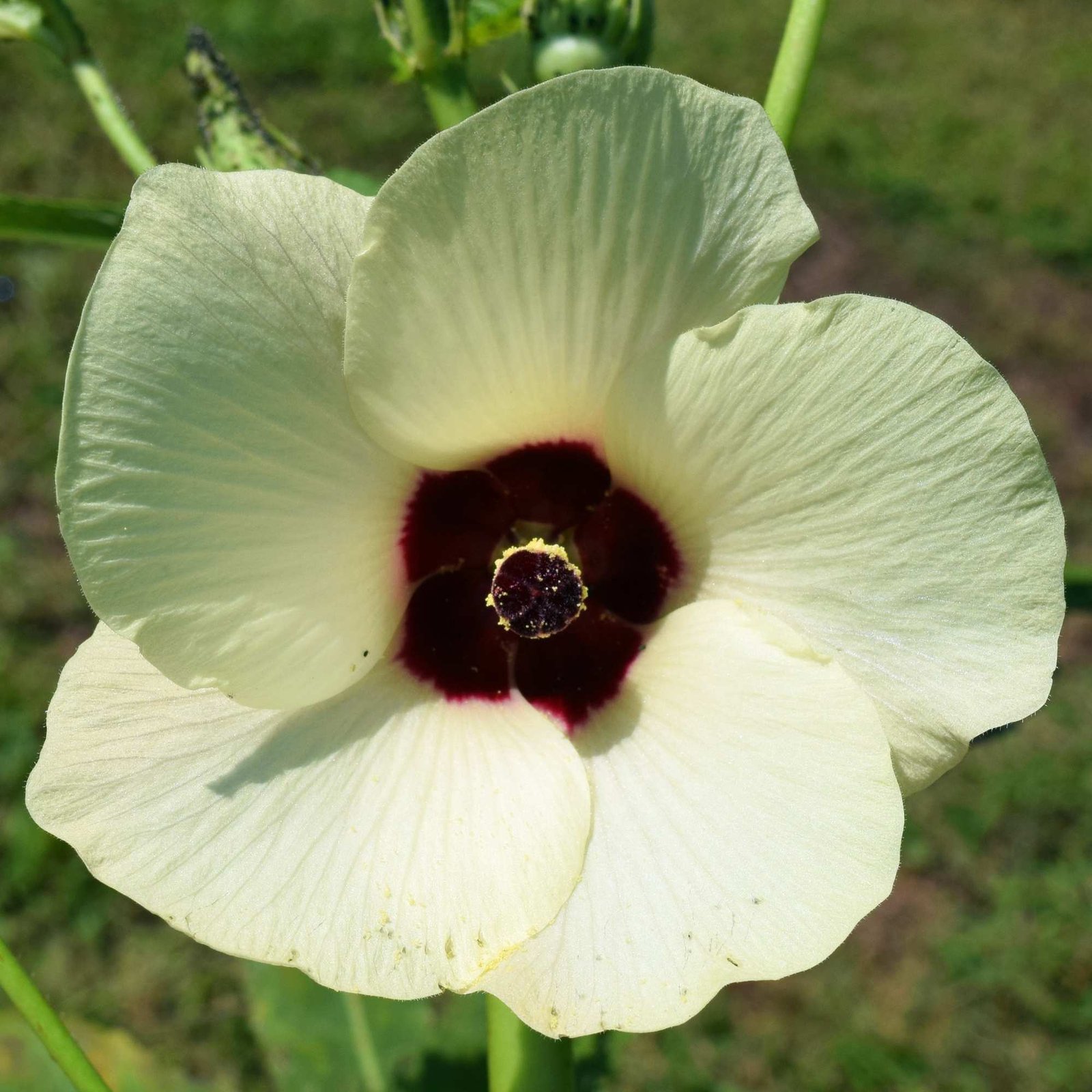
🌼 Flowering & Pollination
Encourage pollinating insects and keep plants evenly watered through bloom. Heat, cold or irregular irrigation can cause blossoms to fall.
🐛 Pest & Disease Management
Monitor aphids, whiteflies, mites and fruit/pod borers; inspect pods before harvesting and remove infested fruit promptly. Check leaf undersides weekly and treat only using crop-authorised products at prescribed rates, especially near edible harvest.
🧺 Harvest & Maintenance
Harvest immature pods regularly while tender; large tough pods can become fibrous. Pick with gloves if the plant is irritating and use clean snips. Maturity depends on local conditions and the specific seed line.
❓ Common Questions
Can it grow in a pot? Yes if the pot has drainage, enough light and sufficient space.
What causes yellow leaves? Check watering, nutrition, pests and soil drainage.
Why slow growth? Unsuitable temperature, crowding or root stress are common causes.
Guidance is illustrative; packet directions govern actual sowing, cultivation and use.
Frequently Asked Questions
What is the suitable germination temperature? 24–32°C.
When can I sow these seeds in North India? February–July.
When can I sow these seeds in South India? January–August.
How deep should I sow the seeds? 2–3 cm.
What plant spacing is recommended? 30–45 cm.
When can I expect flowering or harvest? The product guide lists 45–60 days; actual timing varies by season and growing conditions.






Reviews
There are no reviews yet.