🌸 Zinnia Pink Flower — Comprehensive Sowing to Bloom Guide
Grow this flowering ornamental for its named seasonal display in garden beds or well-drained pots. Original variety details are preserved below.
📦 Product Information
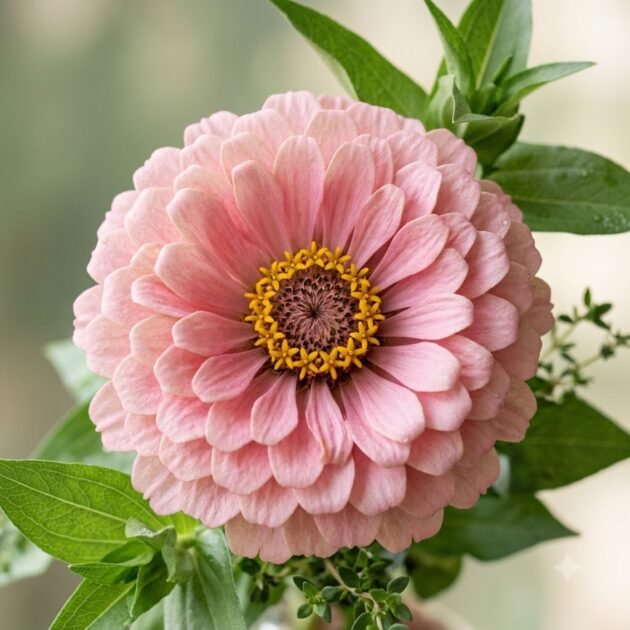
Zinnia Pink Flower
Enhance your outdoor space with the cheerful beauty of the Zinnia Pink Flower Plant . Renowned for its large, layered pink flowers and long-lasting blooms, this annual flowering plant adds elegance and vibrant color to any landscape.
Flower Variety Highlights
- 🌸 Large, vibrant pink double blooms
- ☀️ Thrives in full sunlight
- 🦋 Attracts butterflies and beneficial pollinators
- 🌿 Easy to grow and low maintenance
- 🏡 Perfect for gardens, balconies, patios, and borders
- 💐 Excellent cut flower with long vase life
Growing Information
- Sunlight: Full Sun (6–8 hours daily)
- Soil: Well-drained, fertile soil rich in organic matter.
Follow the original seed packet for sowing instructions. Results vary with local climate, soil, moisture and care.
🌱 Sowing & Germination
Choose the recommended season and germination temperature from the saved product information. Sow at the packet’s indicated depth, keeping soil damp but not soggy. Thin crowded seedlings; germination is weather-dependent.
☀️ Sunlight, Soil and Spacing
Give good light and sufficient space for mature growth. Use loose, well-draining soil enriched with mature compost, and a well-drained pot if container growing. Adjust temperature, sun exposure and spacing to crop needs.
💧 Watering and Nutrition
Gently water during establishment. Water thoroughly at soil level when the top layer dries, increasing care during active flowering or fruit growth without flooding roots. Use only a suitable fertiliser at its label rate if needed, avoiding excessive nitrogen.
🌼 Flowering, Pruning & Maintenance
Remove faded flowers when the plant responds to deadheading, support tall stems, and keep healthy foliage intact. Actual maturity depends on local weather and plant health.
🐛 Pest & Disease Management
Inspect foliage weekly for aphids, whiteflies, mites, thrips and chewing caterpillars. Watch for fungal leaf spot, powdery mildew and root rot in crowded or wet beds. Remove damaged material, rotate edible crops when possible and use only labelled crop-safe treatments according to local instructions and pre-harvest intervals.
❓ FAQs
Can this grow in a container? Yes, if the container is large enough for the mature roots and has drainage.
Why are plants slow? Check sowing season, temperature, depth, water and sunlight.
How do I minimise disease? Use healthy growing media, enough airflow and root-level watering.
Growing and timing are approximate; refer to the specific seed packet for true variety values.







Reviews
There are no reviews yet.