🌱 Watermelon Striped Hybrid — Complete Watermelon Sowing to Harvest Guide
Practical growing care for Watermelon Striped Hybrid. The original product description and variety-specific measurements are retained below.
📦 Product Information
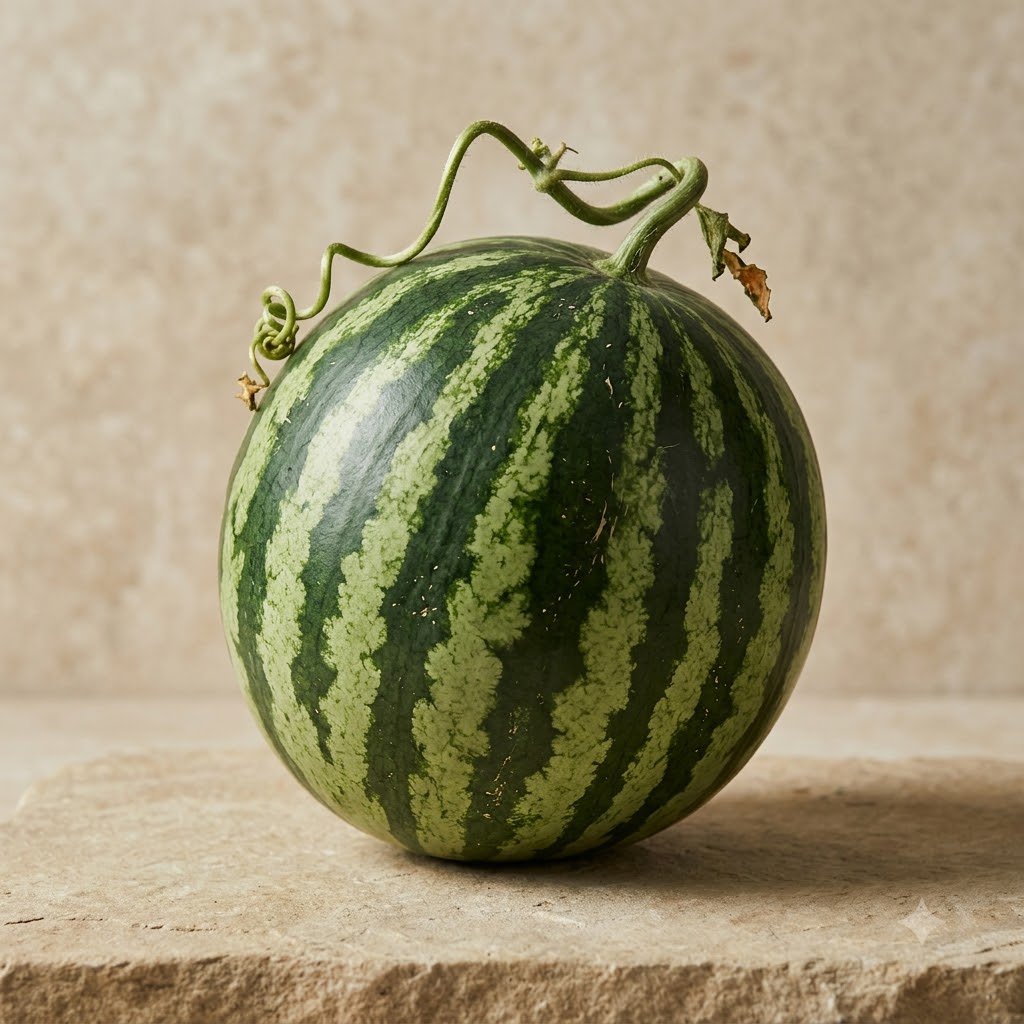
Watermelon Striped Hybrid
Watermelon Striped Seeds are ideal for gardeners who want to enjoy naturally grown, summer-fresh watermelons. The fruits develop a classic green rind with dark stripes and delicious red flesh inside. These fast-growing vines perform best in warm weather, full sunlight, and loose, well-drained soil. Provide sufficient space for the vines to spread and water regularly while avoiding waterlogging. With proper care, the plants can produce refreshing watermelons suitable for fresh eating, juices, salads, and summer desserts.
Product Highlights
- Classic green-striped watermelon variety
- Sweet, juicy and refreshing red flesh
- Suitable for home gardens and commercial cultivation
- Best grown in warm, sunny conditions
- Ideal for kitchen gardens, terraces and open fields
- Easy to grow with regular watering and proper vine space
Follow original seed-packet directions if provided. Actual growing results vary with climate, soil, watering and care.
🌱 Sowing & Seedling Establishment
Sow directly after the soil warms up in well-prepared fertile ground, or start in individual nursery cells and transplant while young with minimal root disturbance. Follow the original seed packet for planting depth, season and spacing. Keep soil lightly moist during germination without flooding the seedbed.
☀️ Light, Soil & Growing Space
Give at least six hours of sun where possible, large spacing for spreading vines and mulch below developing fruits to reduce soil contact. Improve soil with well-rotted compost and avoid compacted wet ground. Use only suitably large containers with clear drainage.
💧 Watering & Feeding
Water at the base when the upper soil begins to dry; maintain steady moisture through active growth. Avoid letting soil alternate between drought and flooding. Apply an appropriate balanced vegetable fertiliser at label rates only as necessary; excessive nitrogen can favour foliage.
🌼 Flowering, Pollination & Plant Development
Male and female flowers appear separately on cucurbit vines, and pollinating insects help fruit set. Avoid sprays when bees are visiting.
🐛 Pests and Diseases
Inspect for aphids, whiteflies, red pumpkin beetles, fruit flies and powdery or downy mildew. Keep vines airy and remove damaged fruits. Inspect weekly. Remove infected debris, maintain airflow and use crop-appropriate registered treatments only as directed, observing pre-harvest intervals.
🧺 Harvesting & Storage
Wait for variety-appropriate ripeness indicators such as a creamy-yellow ground spot, drying near-fruit tendril and mature rind; colour alone is not sufficient. Wash produce before use; crop maturity varies with climate, seed lot and care.
❓ FAQs
Can it grow in a pot? Yes if mature roots and canopy have enough room, sunlight and drainage.
Why poor growth? Check sowing temperature, soil drainage, light and nutrients.
What if fruit set is low? Check flowering weather, irrigation and pollination where relevant.
Horticultural guidance is indicative, not a germination or yield guarantee. Original packet instructions take precedence.





Reviews
There are no reviews yet.