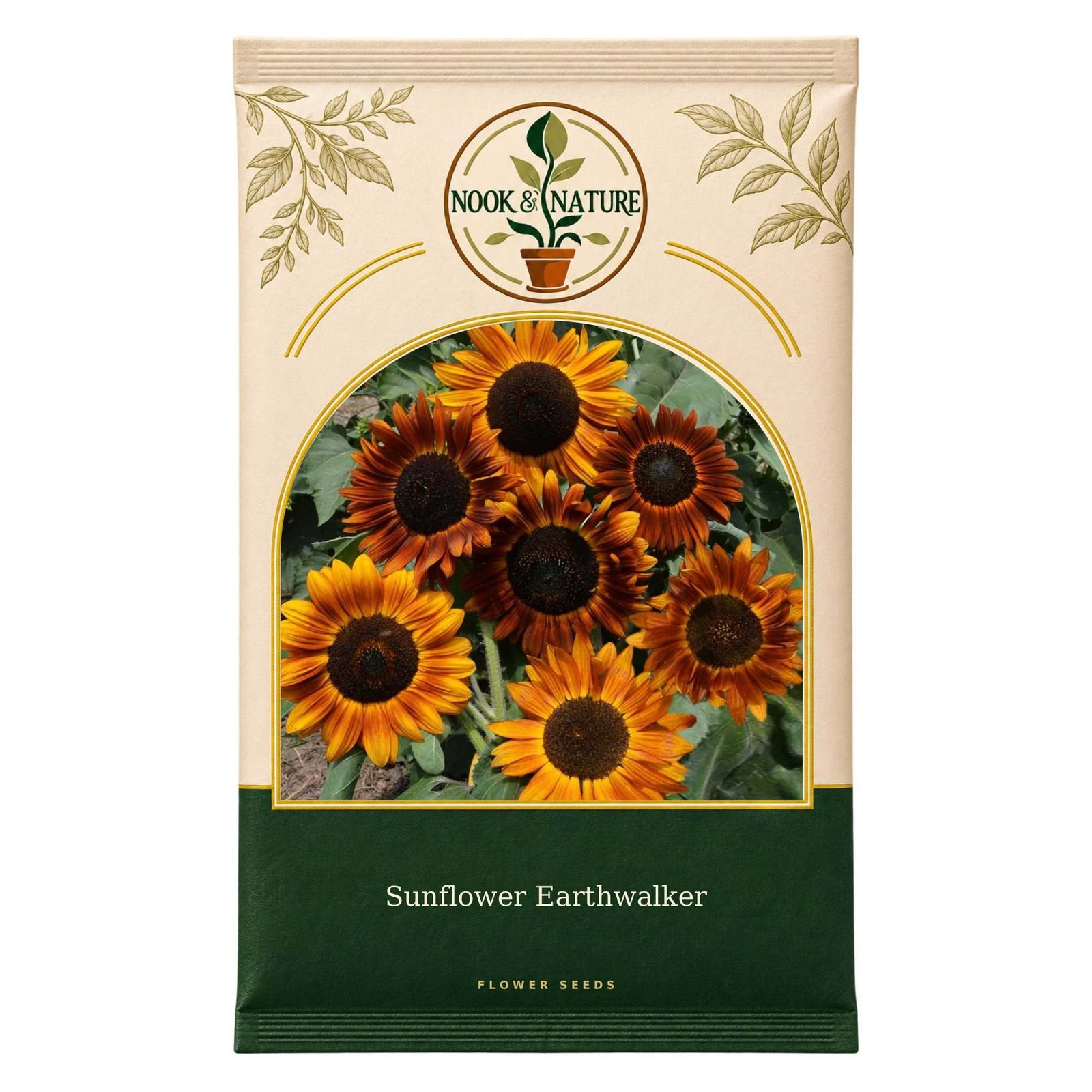
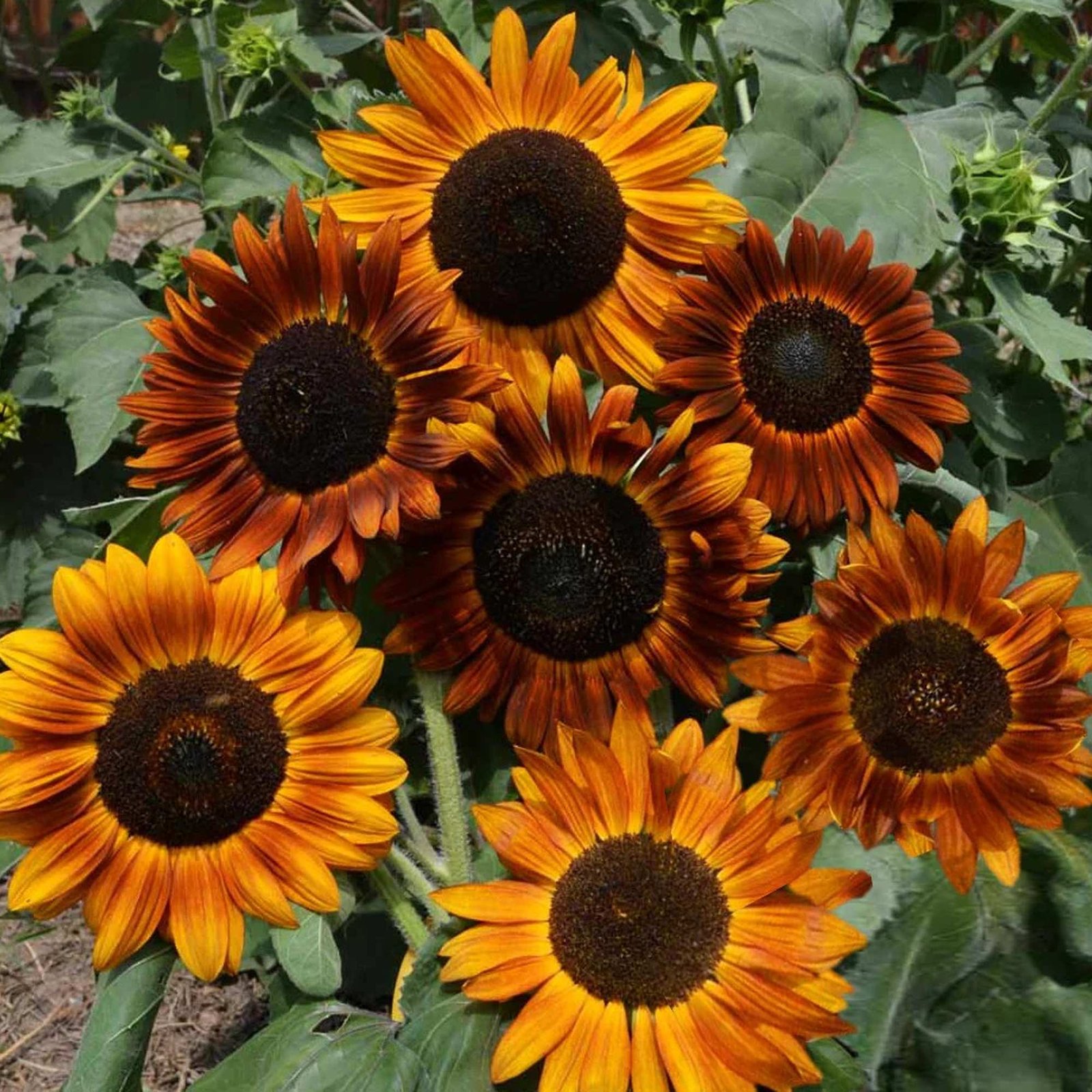
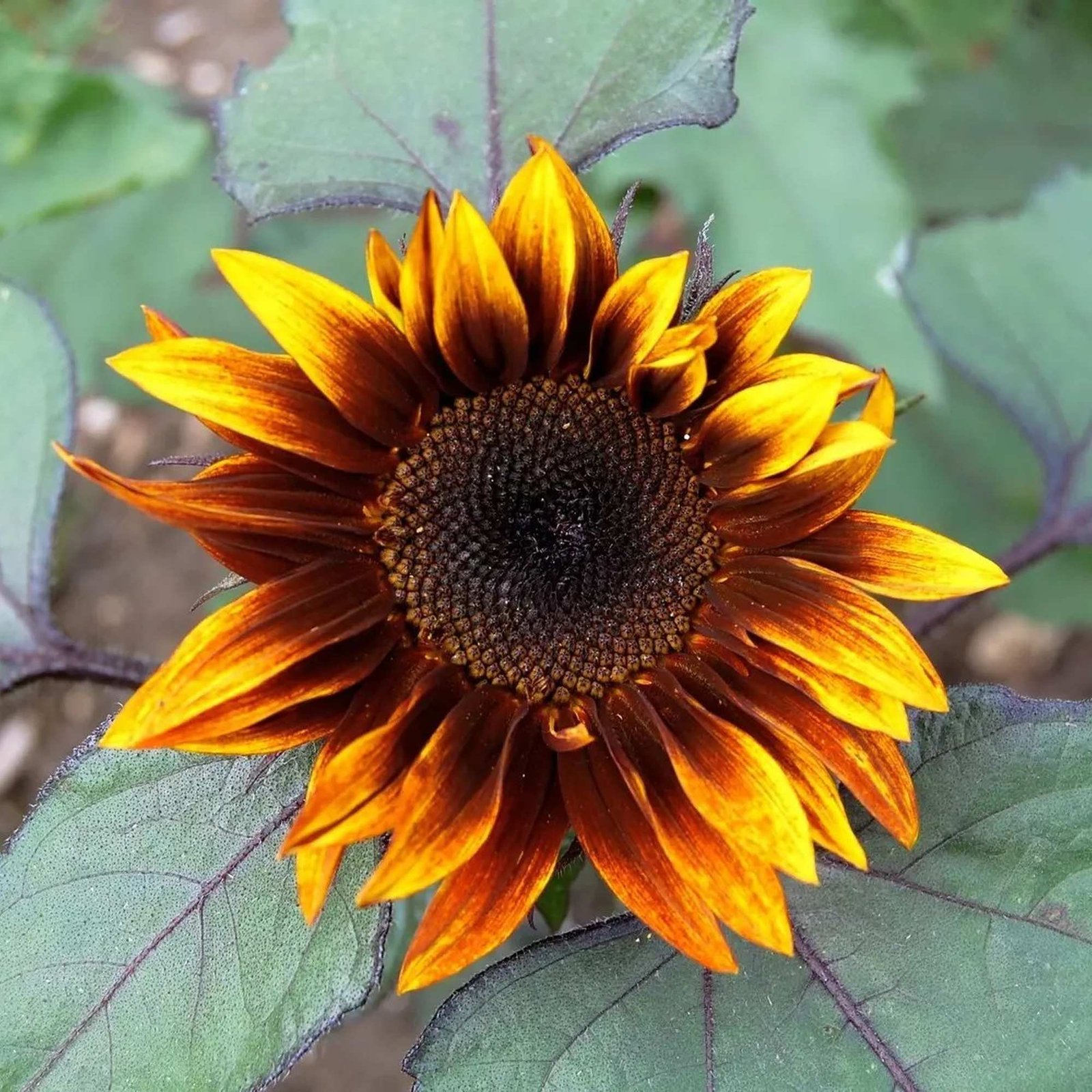
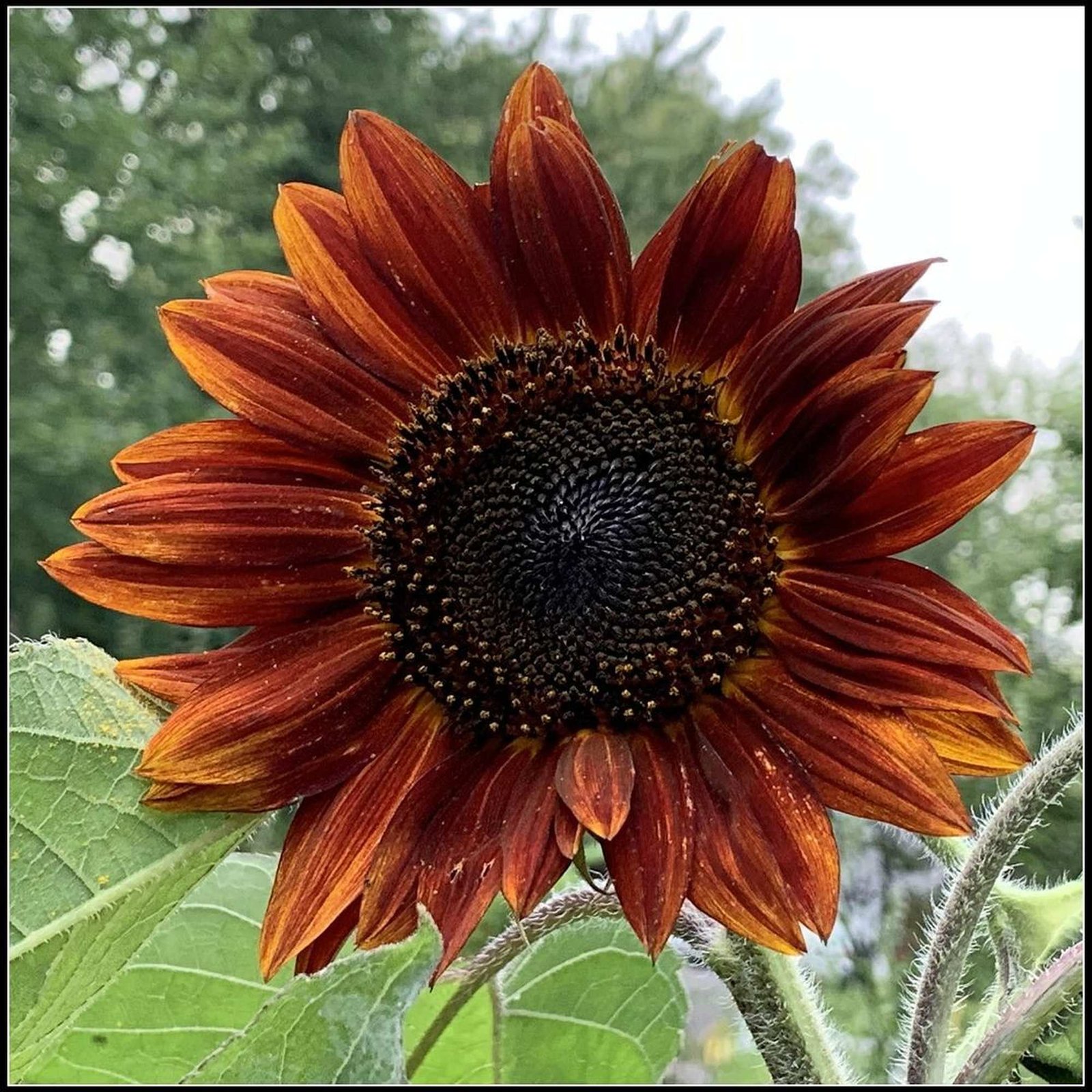
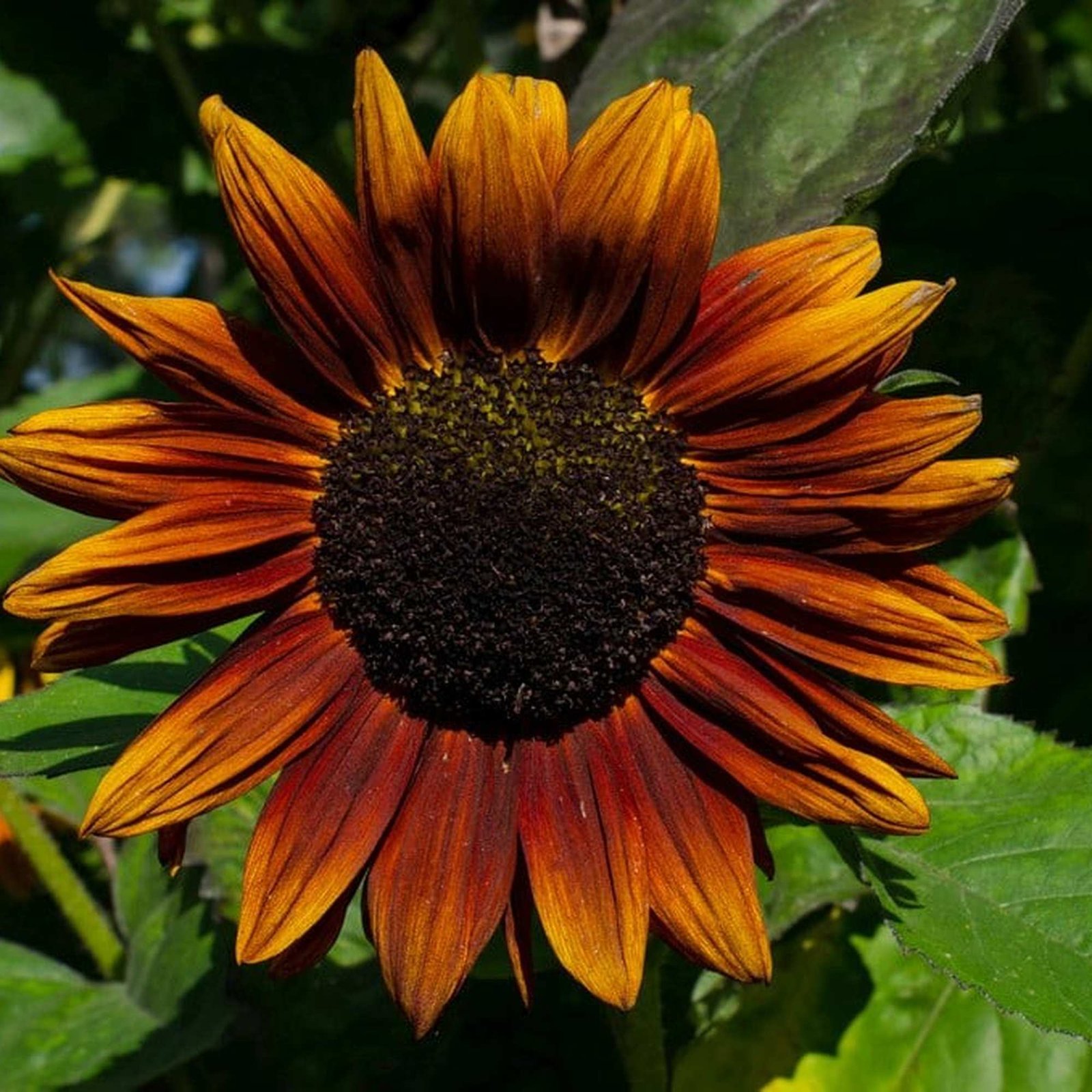
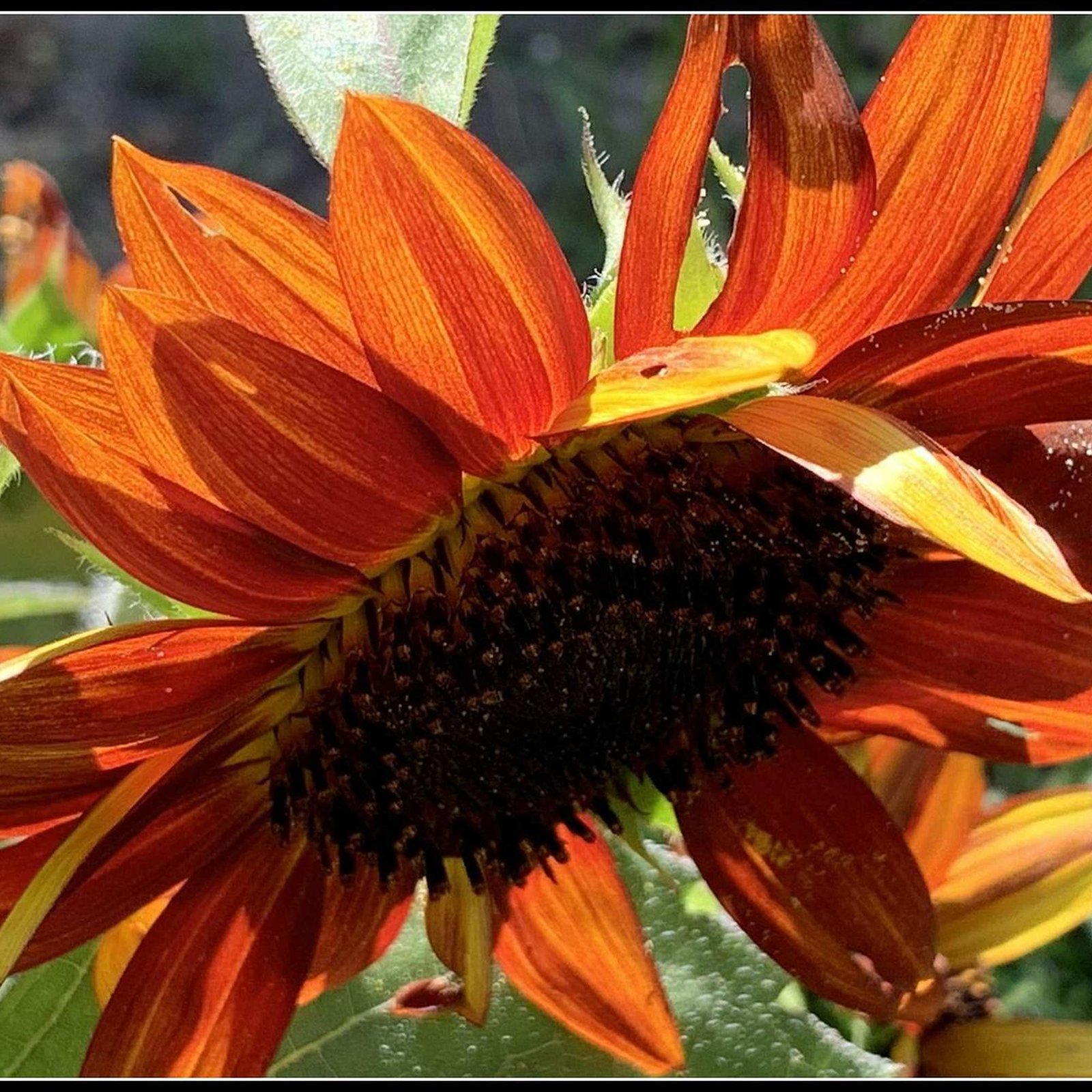
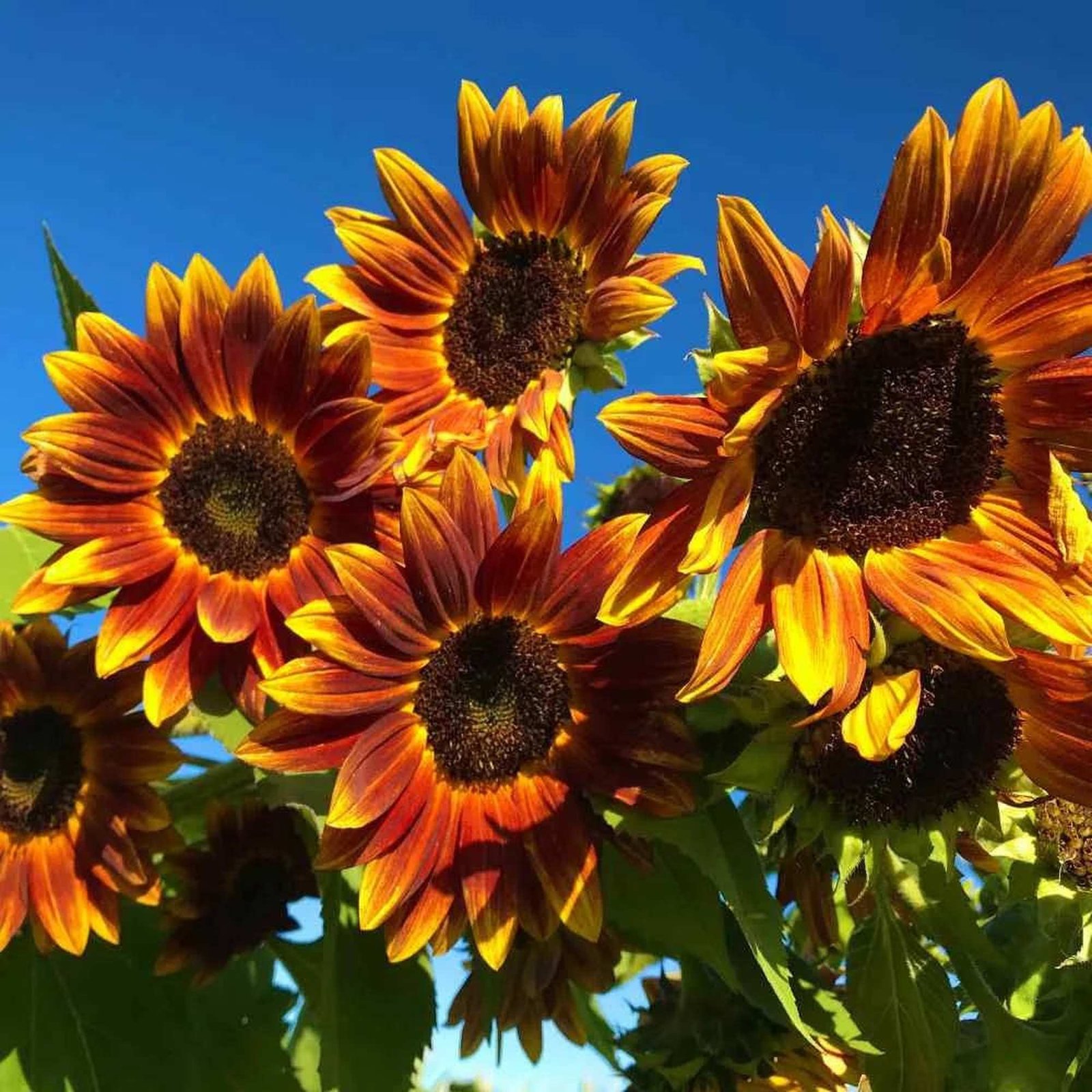
🌻 Sunflower Earthwalker Flower Seeds — Detailed Seed to Flower Guide
Seasonal flowering or foliage plant for home garden beds or suitable containers. Flowering colour and mature height depend on the exact named selection and growing conditions.
📦 Existing Variety Details
Description
Sunflower Earthwalker Flower Seeds is a summer-season seed variety suitable for home gardens, pots, containers, borders and flower beds. Plant size, colour and performance may vary depending on local climate, soil, sunlight, watering and after-care.
Key Features
- Distinctive flowers suitable for colourful summer displays
- Suitable for pots, containers, borders and flower beds
- Suitable for home gardens, balconies, terraces and seasonal landscape planting
- Performs best in warm conditions with suitable sunlight and well-drained soil
- Keep the growing medium evenly moist during germination and avoid waterlogging
Growing Information
- Germination Temperature: 20–30°C
- Sowing Months (North India): February–June
- Sowing Months (South India): January–June
- Plant Spacing: 30–60 cm depending on variety
- Method of Sowing: Direct sowing in the final position
- Sowing Depth: 2–3 cm
- Approximate Time to Flowering: 60–100 days
Important: This growing information is general guidance. Follow the instructions printed on the original seed packet wherever available. Germination and flowering depend on seed storage, weather, soil quality, sowing depth, moisture and after-care.
🌱 Sowing, Germination & Transplanting
Sow directly in sunny, fertile, well-drained soil when warm enough; sunflowers develop substantial taproots, so avoid rough transplanting. Tall forms may require staking; dwarf forms are more suitable for large containers. Keep the seed bed evenly moist, never waterlogged, until established. Germination varies with temperature and storage.
☀️ Site, Soil & Plant Spacing
Provide strong sunlight, good drainage, regular weeding and adequate spacing for the variety’s adult size. Use mature compost to improve garden soil and leave adequate room for the mature canopy. Offer appropriate protection from heavy winds.
💧 Water & Feeding Schedule
Water gently after sowing, then deeply at the root zone once the topsoil begins to dry. Avoid splashing leaves in humid periods. Feed only when growth suggests need, using a suitable balanced flowering-plant fertiliser at the label rate; excess nitrogen may reduce blooming.
🌼 Flowering, Pruning & Seed Collection
Flower heads appear as plants mature; pollinators help seed production. Allow flower heads to dry on the plant if collecting seeds, protecting from birds where necessary. Clean tools between plants and avoid cutting into young weak growth.
🐛 Pest and Disease Management
Monitor aphids, caterpillars, leaf spots and rust; improve airflow and inspect flower heads for seed-feeding insects or birds. Remove seriously affected foliage, improve spacing and use a locally permitted crop/ornamental treatment only as instructed. Avoid spraying active pollinators.
❓ Common Questions
Can I use pots? Yes, but select a pot large enough for the variety’s mature root system.
Why few flowers? Low sun, excess nitrogen, poor timing or heat stress may contribute.
Why leggy seedlings? Provide brighter light and thin overcrowded growth.
Seed count, flower colour, germination, height and blooming dates are not guaranteed; follow any physical packet directions.
Frequently Asked Questions
What is the suitable germination temperature? 20–30°C.
When can I sow these seeds in North India? February–June.
When can I sow these seeds in South India? January–June.
How deep should I sow the seeds? 2–3 cm.
What plant spacing is recommended? 30–60 cm depending on variety.
When can I expect flowering or harvest? The product guide lists 60–100 days; actual timing varies by season and growing conditions.




Reviews
There are no reviews yet.