🌱 Imported Brussels Sprouts Seeds — Complete Planting, Care & Harvest Guide
Product-specific original specifications are retained first, followed by a practical stage-by-stage growing and troubleshooting guide.
📦 Existing Variety & Sowing Details
Description
Imported Brussels Sprouts Seeds is a vegetable seed variety suitable for home gardens, kitchen gardens, pots, grow bags and suitable open-field cultivation. Plant growth, colour, yield and maturity may vary depending on climate, soil, sunlight, watering, nutrition and after-care.
Key Features
- Distinctive variety suitable for home and kitchen gardens
- Long-duration cool-season brassica producing edible sprouts
- Suitable for home gardens, kitchen gardens and small-scale cultivation
- Best results in well-drained soil with suitable sunlight and regular care
- Keep the growing medium evenly moist during germination and avoid waterlogging
Growing Information
- Germination Temperature: 15–21°C
- Sowing Months (North India): August–October
- Sowing Months (South India): September–November
- Plant Spacing: 45–60 cm
- Method of Sowing: Nursery raising followed by transplanting
- Sowing Depth: 0.5–1 cm
- Approximate Maturity Period: 120–180 days
Important: This growing information is general guidance. Follow the instructions printed on the original seed packet wherever available. Germination and crop performance depend on seed storage, local weather, soil quality, sowing depth, moisture, nutrition and crop care.
🌱 Germination & Young Plants
Raise seedlings in a clean medium, transplant at the suitable cool-season stage and give wide spacing for large foliage. Use clean, draining growing medium and ensure seedlings receive bright light. Temperatures, germination speed and spacing depend on the exact variety and local weather; refer to the packet.
☀️ Site & Soil Preparation
Select a sunny, airy site for this cool-season brassica; rich, well-drained soil is important for firm sprouts. Work in well-decomposed compost, avoid fresh manure at sowing, and provide sufficient space for plant size.
💧 Watering, Fertiliser & Active Growth
Water gently after sowing, then thoroughly at the root zone when soil begins to dry; do not keep pots permanently wet. Feed with a balanced, crop-suitable fertiliser at label rates if needed, with no excessive nitrogen. Add a light mulch after plants establish to protect roots from moisture stress.
🐛 Pest & Disease Care
Look for cabbage caterpillars, aphids and flea beetles. Use crop rotation and mesh when practical; avoid stagnant, wet foliage that can favour brassica disease. Remove infected debris and rotate vegetable crop families. Only apply treatments approved for this crop in your region, observing label instructions and any harvest intervals.
🧺 Harvest, Bloom & Aftercare
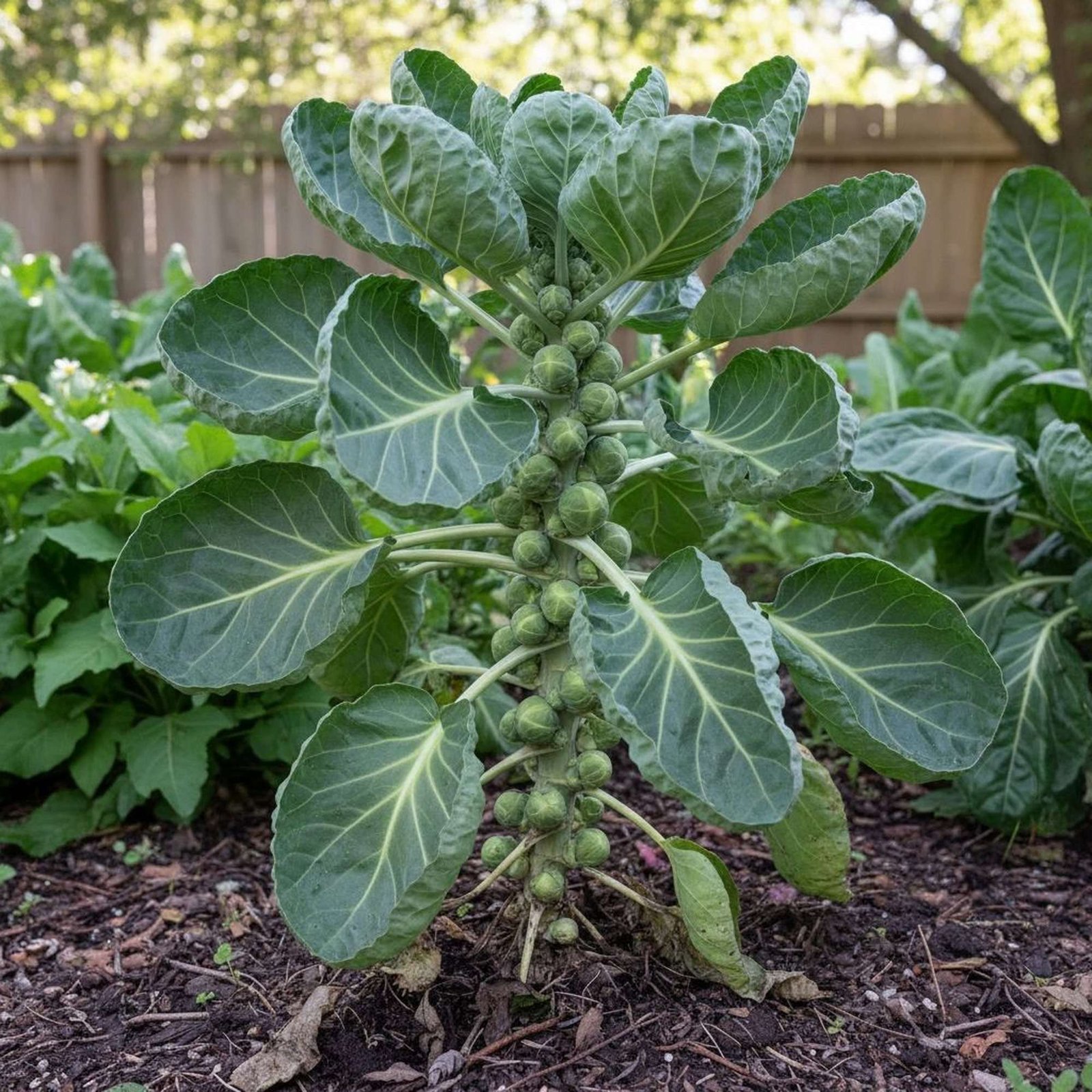
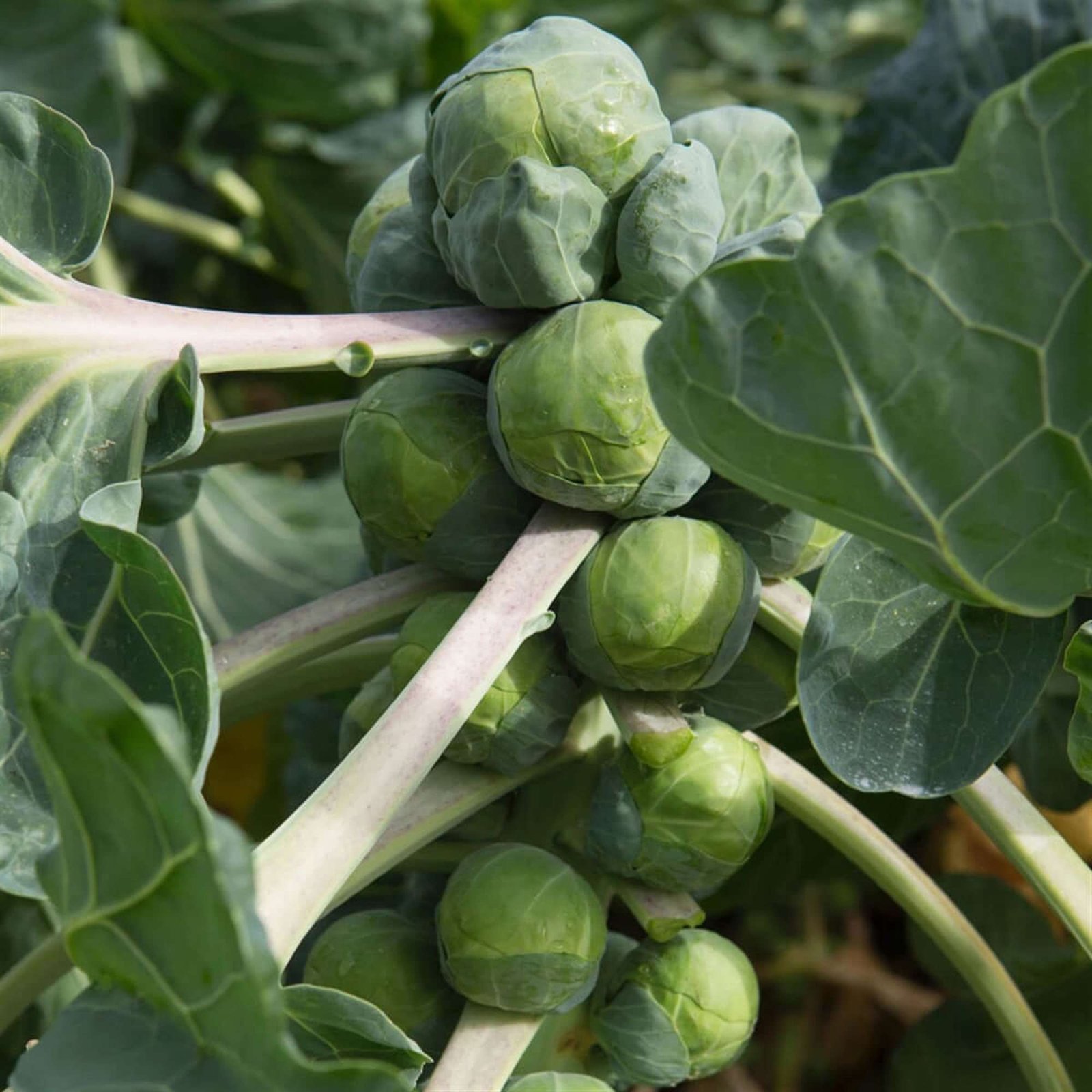
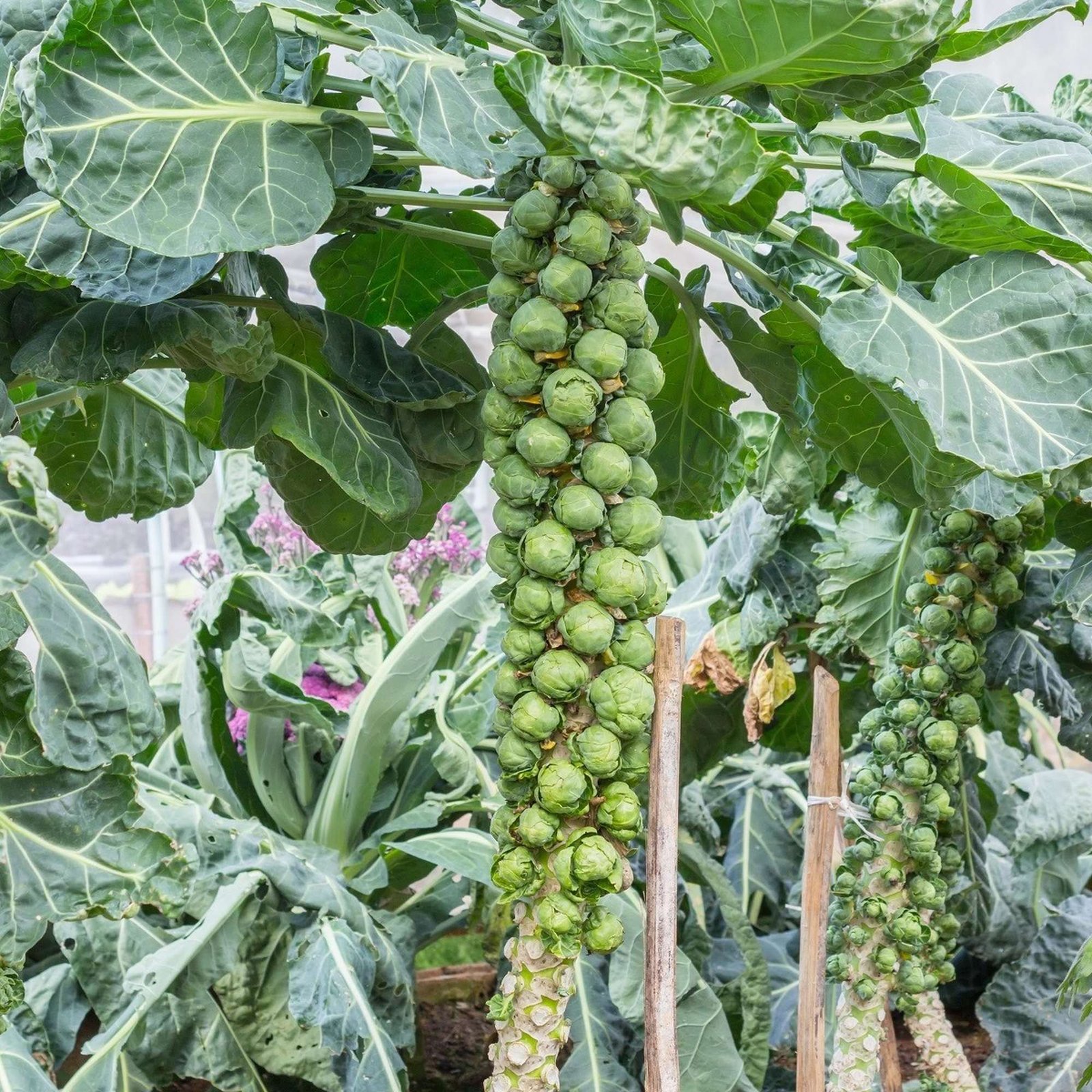
Pick firm sprouts from the lower stem upward as they reach useful size. They mature over time, rather than all at once. Actual harvest readiness depends on weather, seed lot, light and nutrition; use physical packet dates as approximations.
❓ Common Questions
Can I grow in pots? Many varieties can grow in adequately large containers with drainage, but perennials and large vines need more room.
Why are flowers or fruits dropping? Stress from temperature, dry soil or weak pollination may contribute.
How do I reduce disease? Avoid waterlogging, thin crowded plants and inspect leaves regularly.
No guaranteed germination, flower colour, yield or maturity date is implied. Follow original packaging instructions.
Frequently Asked Questions
What is the suitable germination temperature? 15–21°C.
When can I sow these seeds in North India? August–October.
When can I sow these seeds in South India? September–November.
How deep should I sow the seeds? 0.5–1 cm.
What plant spacing is recommended? 45–60 cm.
When can I expect flowering or harvest? The product guide lists 120–180 days; actual timing varies by season and growing conditions.










Reviews
There are no reviews yet.