🌿 Cotyledon tomentosa ‘Baby Bear’s Paw’ — Live Plant, Growing & Care Guide
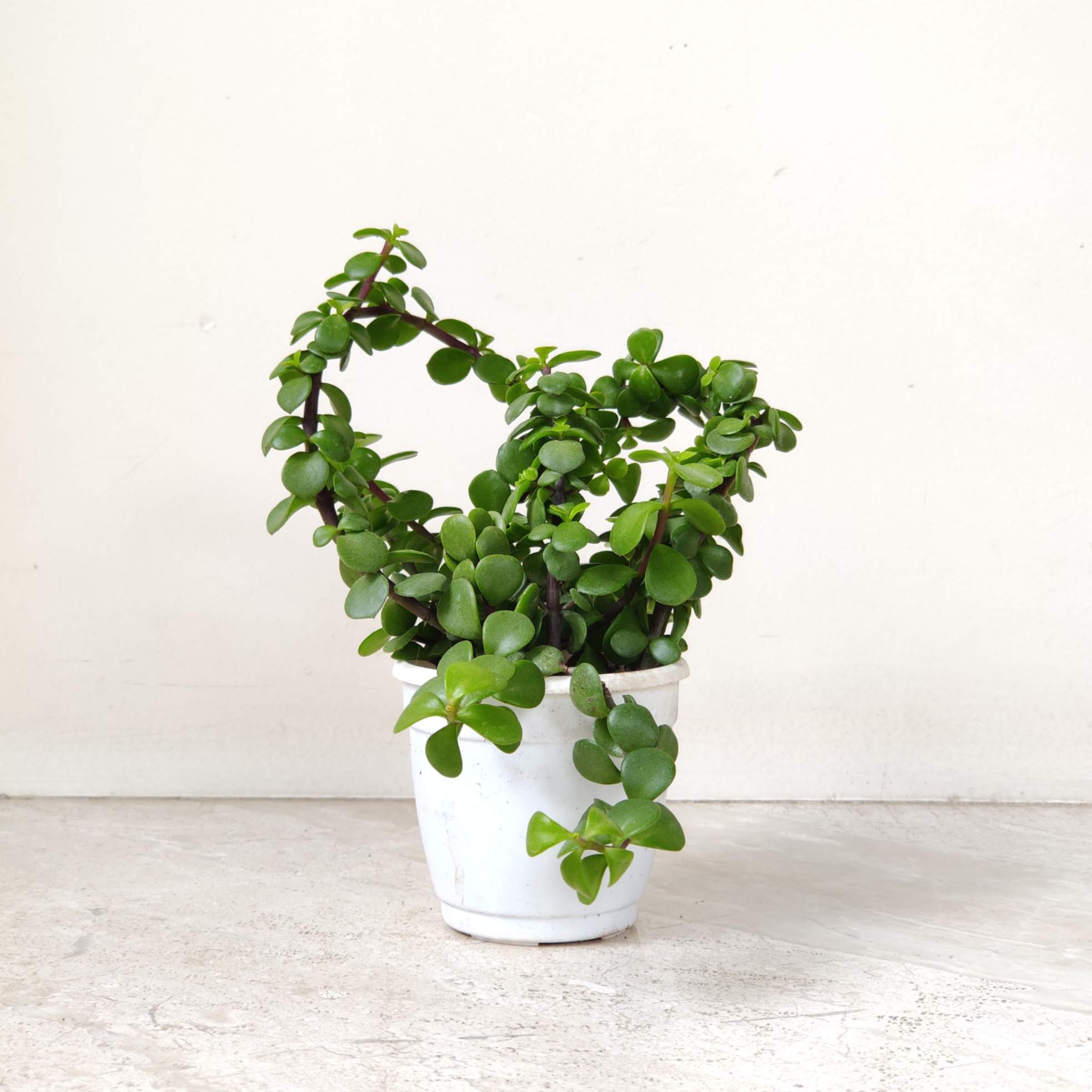
Cotyledon tomentosa ‘Baby Bear’s Paw’ is a nursery-grown fuzzy-leaved succulent, valued for soft velvety leaves with bear-paw-like tips. Healthy living plants differ in size, leaf colour, shape and maturity; the selected nursery variation determines the supplied option.
✨ Appearance and Placement
The visual feature of this plant is its soft velvety leaves with bear-paw-like tips. Display it in an airy bright windowsill, balcony or appropriate plant shelf with room for foliage. Natural seasonal growth is not an indication of a fixed mature size or flowering guarantee.
☀️ Sunlight / Acclimatisation
Bright light and mild morning sun; protect velvet leaves from harsh midday sun. After unpacking, provide a protected bright spot for the first 5–7 days, then increase sunlight gradually over another week to avoid leaf and stem scorch. Rotate containers occasionally for even growth.
🪴 Potting Mix & Container
Fast draining mineral-rich succulent mix and a small draining pot. Plant in a container only slightly wider than the root system. Drain fully after watering; never leave a nursery pot standing in a filled saucer. Repot only if rootbound, ideally during suitable active growth weather.
💧 Watering Routine
Let the soil dry well; avoid leaving drops on fuzzy leaves. Check below the surface before adding water rather than following a fixed weekly schedule. Plant size, pot material, humidity and the monsoon season all affect drying. Under-watering typically appears as gradual shrivelling; persistently soft stems and damp soil can point to overwatering.
🌱 Growth & Fertiliser
During healthy active growth, use a weak balanced or succulent-appropriate feed as labelled, infrequently. Do not fertilise newly arrived, dry, stressed or newly repotted roots. Excess nitrogen and heavy watering can lead to soft weak growth.
✂️ Repotting, Grooming & Propagation
Remove only completely dried lower leaves or damaged tissue with clean tools. Use healthy stem cuttings after the ends have callused. For cuttings, let any exposed cuts dry as appropriate for the plant before planting. Avoid aggressive pruning while it acclimatises after shipping.
🐛 Pest / Disease Guide
Inspect frequently for mealybugs at stem joints, fungal leaf spotting and root rot. Check leaf undersides and joints, separate infested pots from the collection, remove pests gently, and use an ornamental-plant treatment only as its label permits. Brown sunburn patches are not necessarily pest damage; black mushy stem tissue calls for a root and drainage check.
🌦 Seasonal India Care
Summer: avoid abrupt hot afternoon exposure. Monsoon: move potted plants away from continuous heavy rain; promote airflow and delay watering while compost remains wet. Winter: keep frost-free and reduce water as growth slows.
📦 Delivery & First Week
Unbox promptly. Gently remove packing, inspect leaves and the drainage hole, and place in bright shelter with ventilation. Check moisture before the first watering. Do not immediately fertilise or unnecessarily repot. Mild transit-related leaf stress can settle as the plant adjusts.
❓ Common Questions
Can this grow indoors? Only in a location meeting the stated light requirements.
Should I water every day? No; test potting-mix dryness instead.
Why are leaves changing colour? Light, season, age and stress can all influence colour.
Can I propagate it? Use healthy stem cuttings after the ends have callused.
Does the pot size equal plant height? No; refer to the existing nursery variation for container specifications.
⚠️ Handling & Safety
Keep this ornamental succulent away from pets and children; do not ingest. Keep plant treatments and sap away from eyes, children and pets.
📋 Original Nursery Product Details and Available Variations
Bring a touch of whimsy and charm to your collection with Cotyledon tomentosa ‘Baby Bear’s Paw’, one of the most beloved succulents among plant enthusiasts. This unique variety is known for its plump, velvety leaves tipped with tiny claw-like markings, giving each leaf the appearance of a miniature bear paw.
Its compact growth habit and soft texture make it an eye-catching addition to windowsills, desks, shelves, balconies, and succulent arrangements. The dense clusters of fuzzy green leaves create a playful yet elegant display that stands out in any collection.
Despite its delicate appearance, Baby Bear’s Paw is remarkably hardy and easy to maintain. As a drought-tolerant succulent, it thrives with minimal care and is an excellent choice for beginners and experienced collectors alike. Under the right conditions, mature plants may reward growers with attractive bell-shaped orange to red flowers.
Why You’ll Love It
✔ Adorable bear paw-shaped leaves
✔ Soft velvety foliage with unique texture
✔ Rare and highly collectible succulent
✔ Compact and perfect for small spaces
✔ Easy-care and drought-tolerant
✔ Excellent gift for plant lovers
Plant Care
Light: Bright indirect light to partial sun
Water: Water only when the soil is completely dry
Soil: Well-draining cactus or succulent mix
Humidity: Prefers dry conditions
Growth Habit: Compact branching succulent
Perfect For
🌿 Succulent Collectors
🌿 Cute Plant Enthusiasts
🌿 Home & Office Décor
🌿 Windowsills & Shelves
🌿 Unique Plant Gifts
With its irresistibly cute fuzzy leaves and easy-care nature, Cotyledon tomentosa ‘Baby Bear’s Paw’ is a delightful succulent that adds personality, texture, and charm to any plant collection. 🐻🌿✨
Frequently Asked Questions
What light is suitable for this plant? Bright light and mild morning sun; protect velvet leaves from harsh midday sun.
How should I water this plant? Let the soil dry well; avoid leaving drops on fuzzy leaves.
What potting mix or drainage does it need? Fast draining mineral-rich succulent mix and a small draining pot.
What should I monitor to keep it healthy? Inspect frequently for mealybugs at stem joints, fungal leaf spotting and root rot.

 This product has multiple variants. The options may be chosen on the product page
 This product has multiple variants. The options may be chosen on the product page
 This product has multiple variants. The options may be chosen on the product page
 This product has multiple variants. The options may be chosen on the product page



Reviews
There are no reviews yet.