🥒 Aayan Summer Squash Seeds | Complete Sowing-to-Harvest Guide
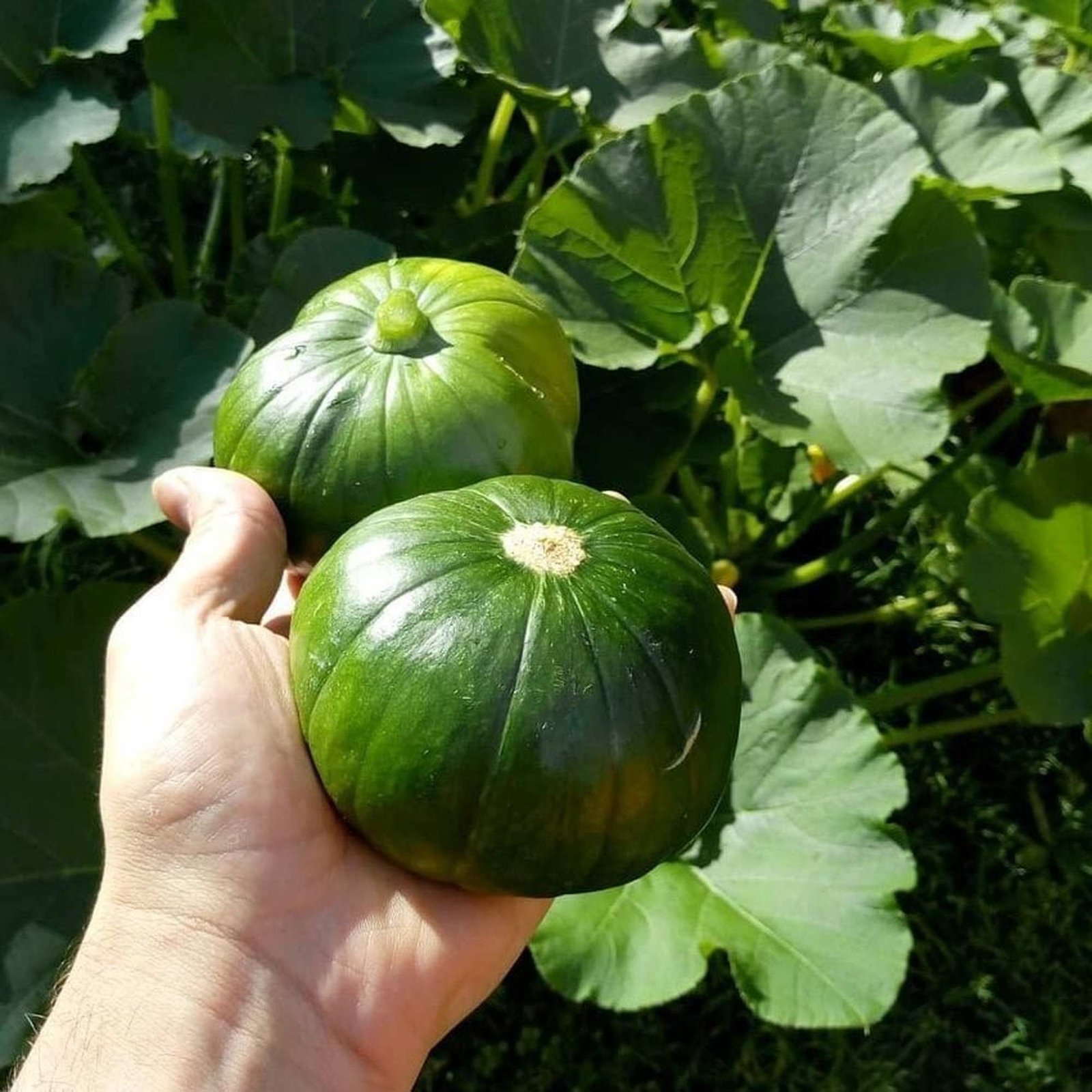
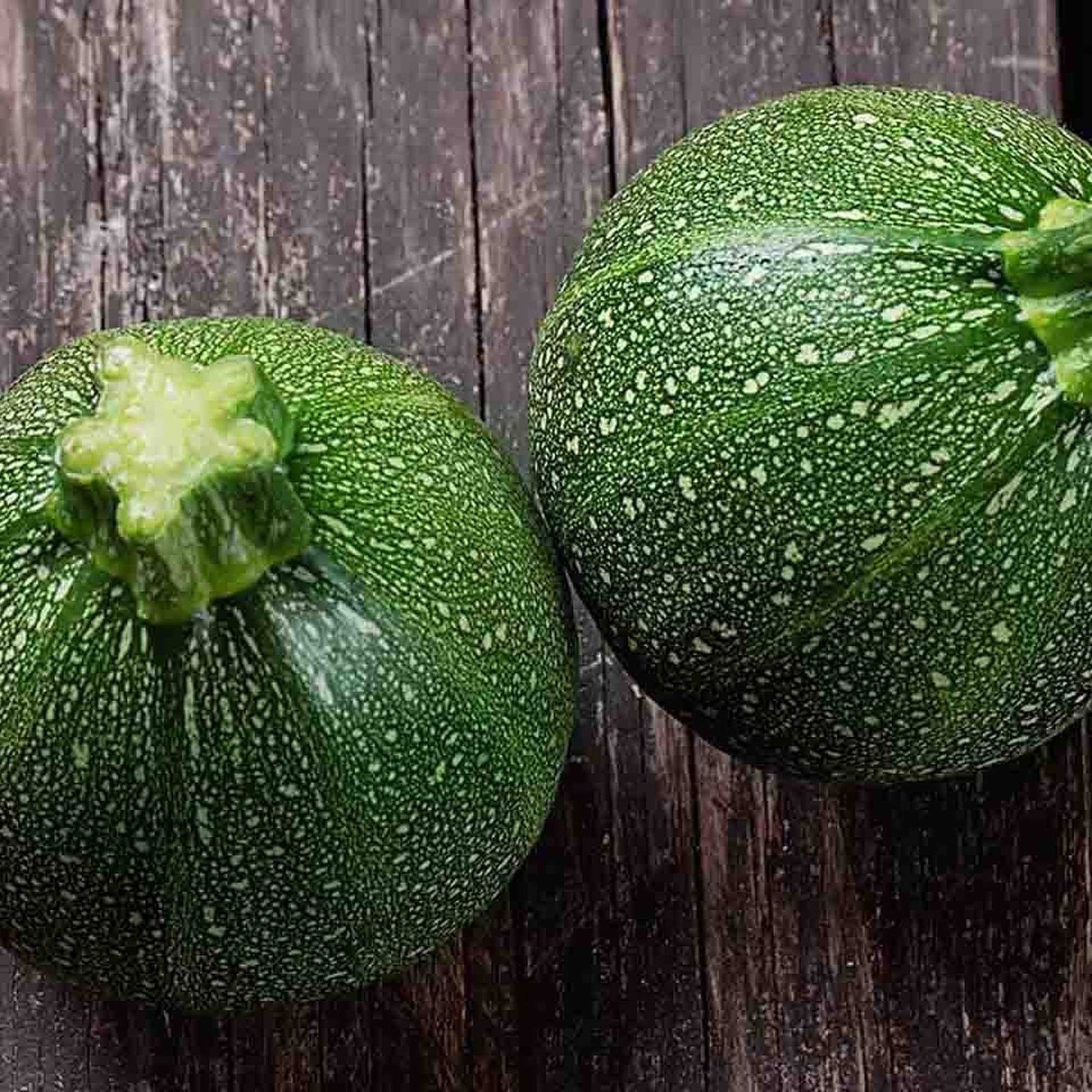
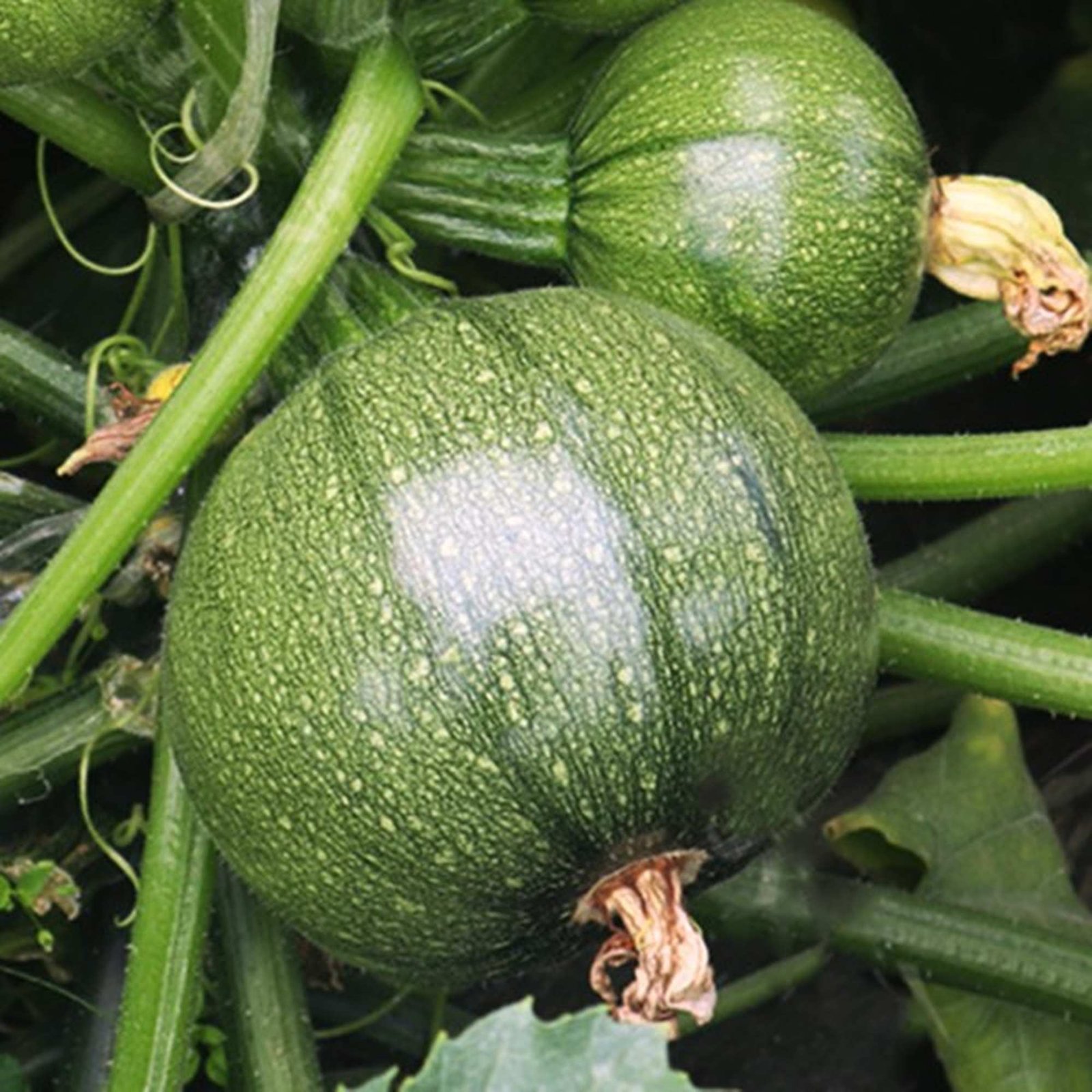
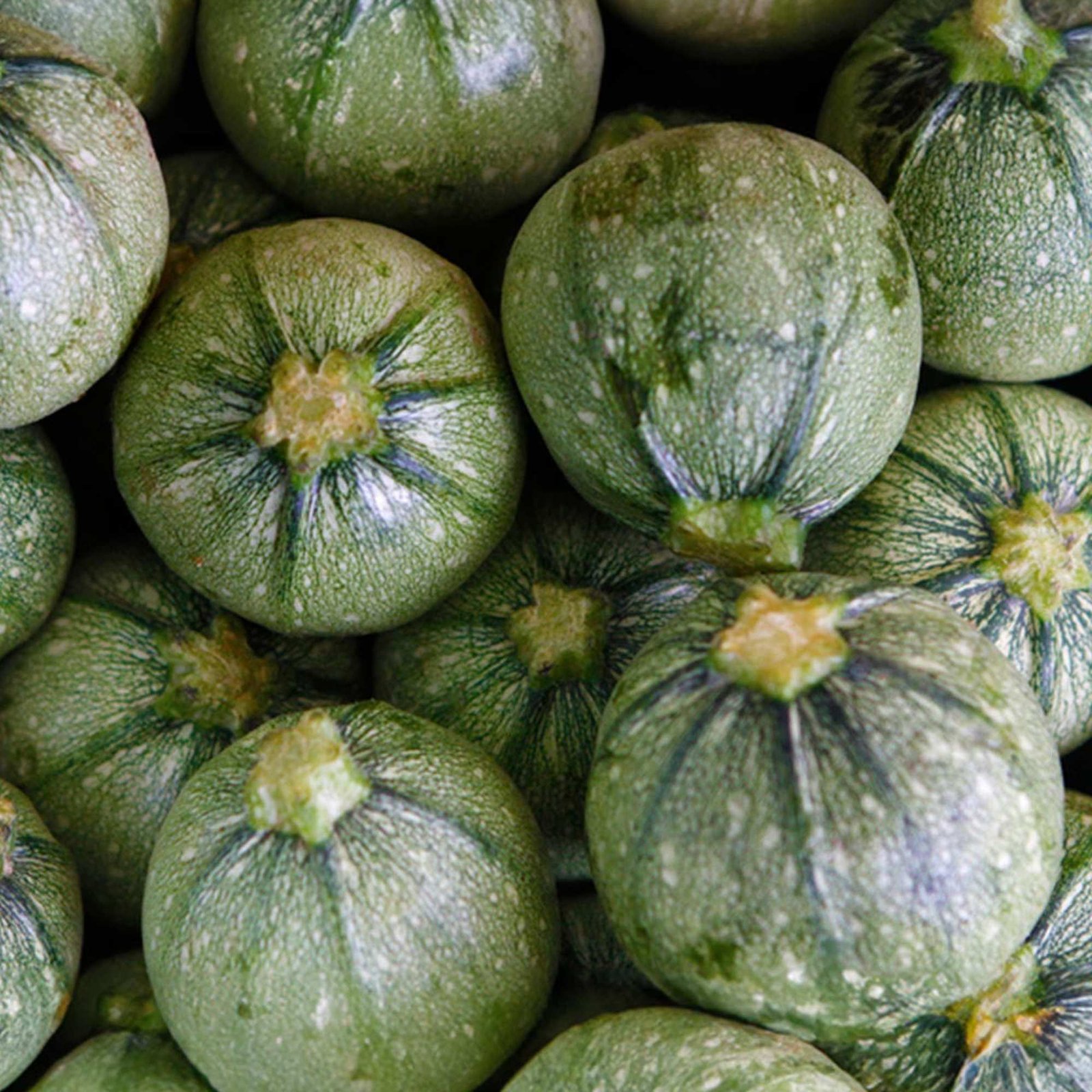
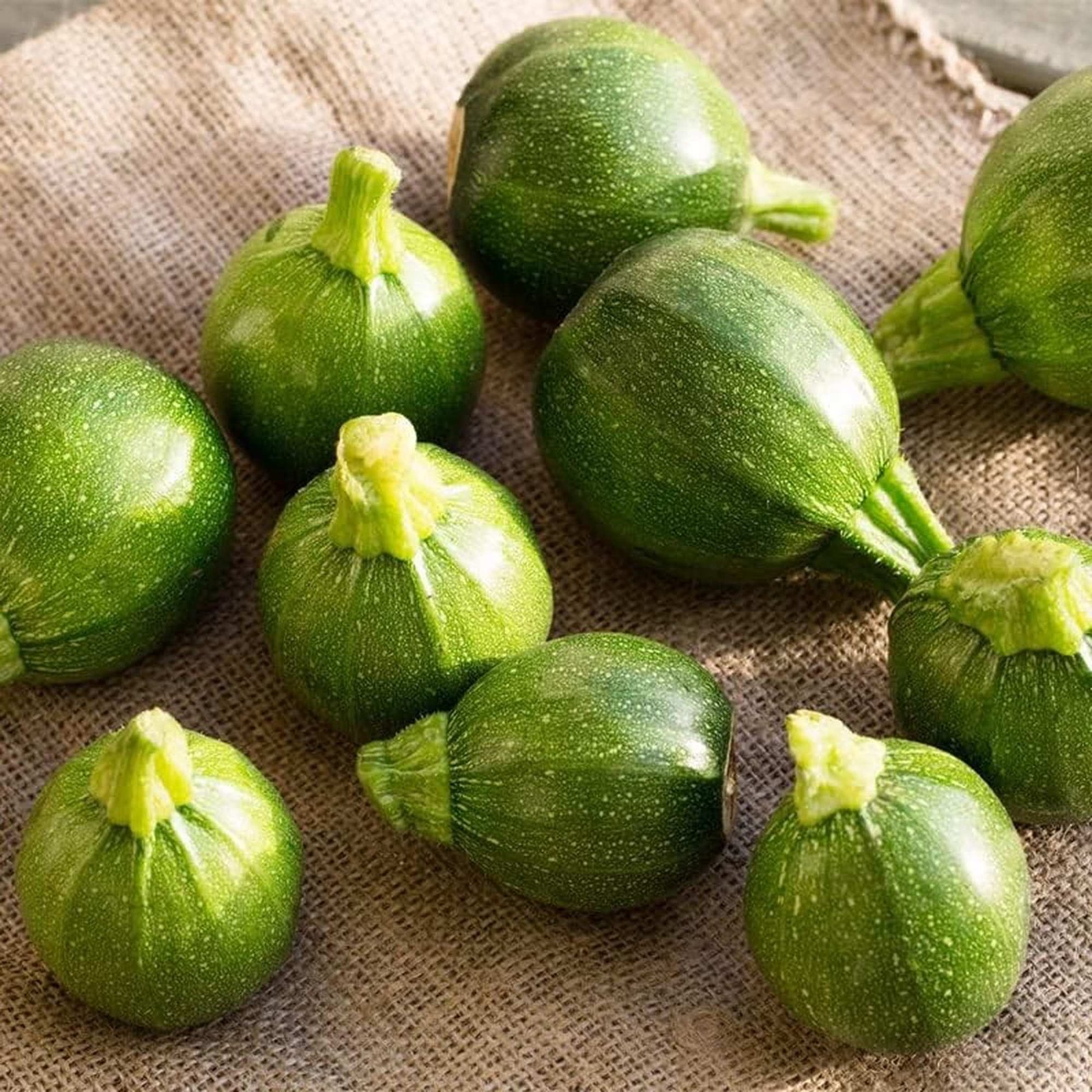
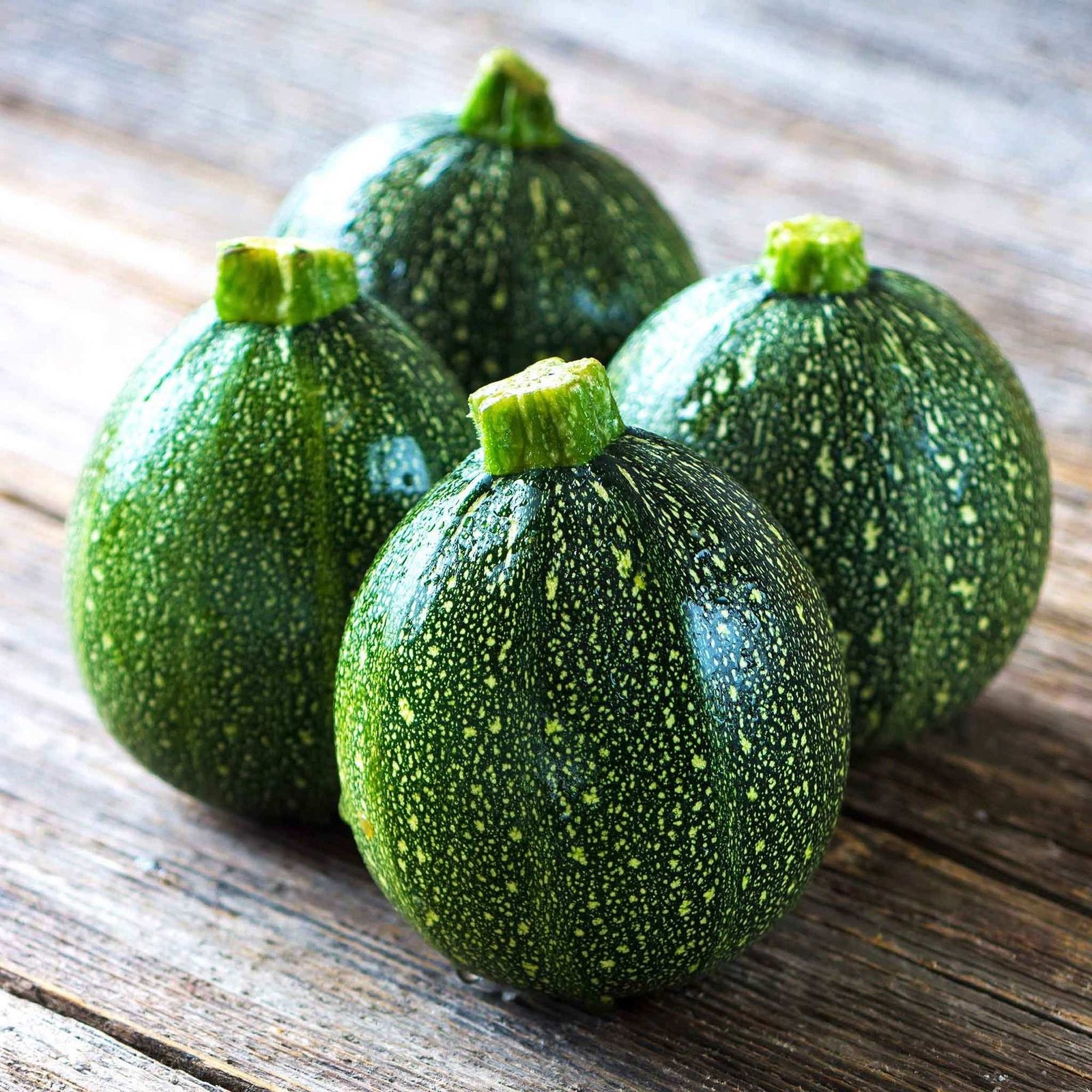
Strong short-growing plants; early-maturity summer squash with light-green, slightly mottled fruits. Original listing indicates average fruit weight 200–250 g. Actual fruit size and yield depend on growing conditions.
📦 Original Sowing Facts
- Germination temperature: 25–30°C
- North India sowing months: February–March, October–January
- South India sowing: described as year-round where conditions are suitable
- Original recommended spacing: 15–20 inches between seeds
- Original method: transplanting
- Original depth: 1–1.25 inches
- Approximate maturity: 60–80 days
🌱 1. Sowing and Germination
Choose a warm, sunny bed with fertile, loose and free-draining soil. Mix well-rotted compost into the topsoil. Follow the packet’s planting depth and spacing guidance; avoid squeezing vigorous vines into small pots. Sow into moist soil. If raising seedlings for transplanting, use individual biodegradable or roomy pots and move them while young without disturbing roots. In suitable warmth, squash commonly germinates within around 5–10 days, sometimes longer.
☀️ 2. Light, Soil, Spacing and Support
Provide about 6–8 hours of direct sun. Allow generous room for spreading foliage and access for picking. In containers, choose a large pot with drainage, and watch moisture closely. Mulch after seedlings establish to reduce splash and water stress.
💧 3. Watering and Fertiliser
Keep the root zone evenly moist, especially during flowering and fruit enlargement. Water at the base in the morning rather than repeatedly wetting leaves. Enrich soil with mature compost before planting; if needed, use a balanced vegetable fertiliser according to its label without excessive nitrogen.
🌼 4. Flowering, Pollination and Fruit Set
Squash makes separate male and female flowers. Bees and other pollinators help fruit set; avoid insecticide sprays while pollinators are active. Poor fruit set can occur during heat, heavy rain or low pollinator activity.
🐛 5. Pest and Disease Care
- Aphids and whiteflies: inspect tender tips and leaf undersides; remove heavily infested leaves and use an appropriate registered crop treatment if necessary.
- Powdery mildew: maintain airflow, avoid crowding and remove severely affected foliage; do not compost badly diseased material.
- Fruit rot: use mulch to limit soil contact, improve drainage and avoid excessive irrigation.
- Leaf-eating insects: inspect regularly and control early with crop-safe methods, following labels.
🧺 6. Harvest and Kitchen Use
Begin checking around the approximate maturity window of 60–80 days stated in the product information. Harvest fruits young and tender with a clean knife or pruner; frequent harvesting can encourage continued production. Use in stir-fries, curries, soups and grilling after washing.
❓ Common Questions
Why are small fruits yellowing? Poor pollination, heat or irregular watering can contribute.
Can I grow this on a terrace? Yes, if the container is large, drains well and gets strong sun.
When should I water? Check soil moisture and water deeply when the surface starts to dry; avoid waterlogging.
Timing, appearance, yield and seed performance vary by season, location and batch. Follow any original packet instructions and local pesticide labels.
Frequently Asked Questions
What is the suitable germination temperature? 25–30°C.
When can I sow these seeds in North India? months: February–March, October–January.
What plant spacing is recommended? 15–20 inches between seeds.








Reviews
There are no reviews yet.