🌿 Dill Herb Seeds — Complete Growing & Care Guide
Dill is a fine-leaved aromatic herb grown for foliage and, if left to flower, mature seeds. This detailed guide covers sowing, everyday plant care, pest prevention and appropriate harvesting.
✨ About This Plant
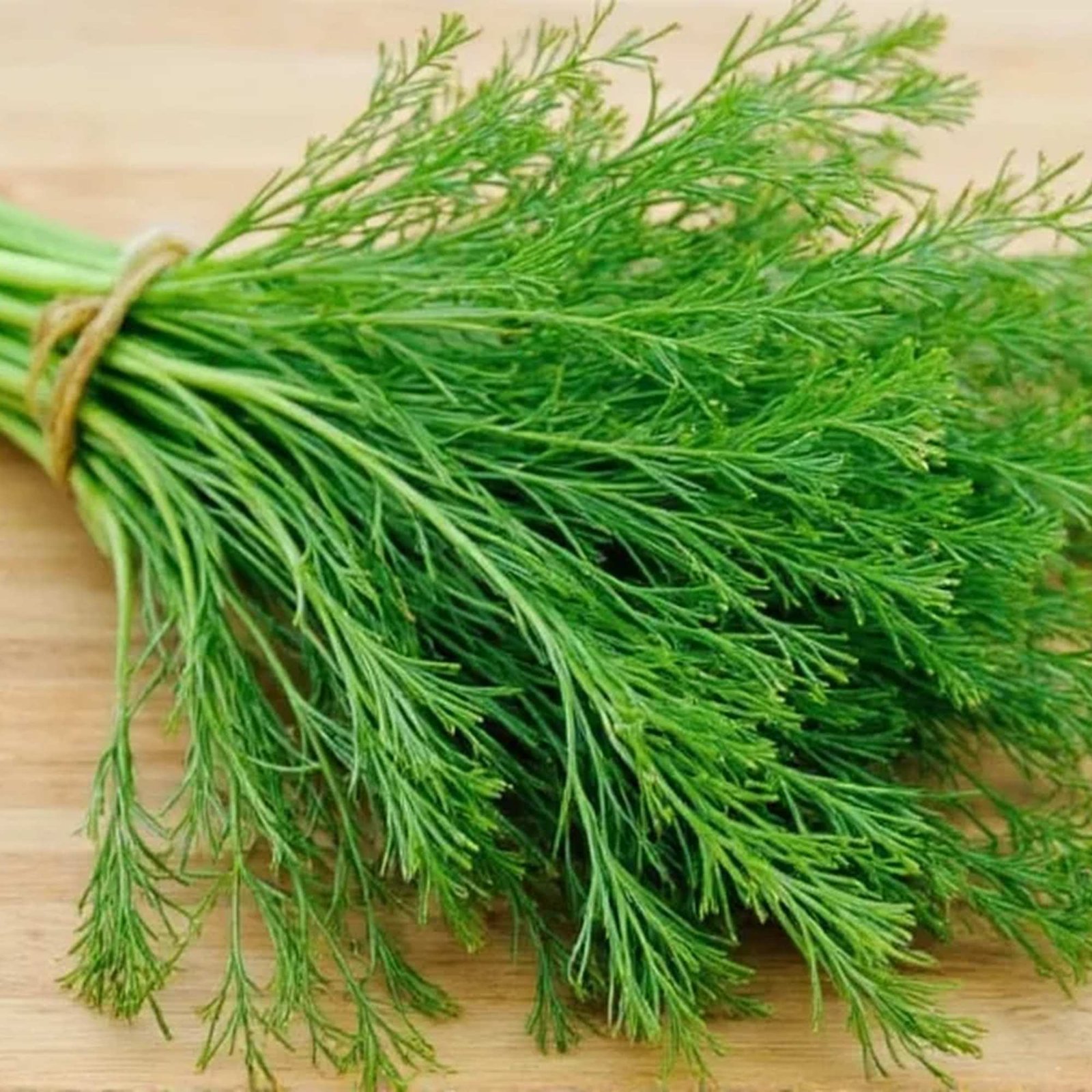
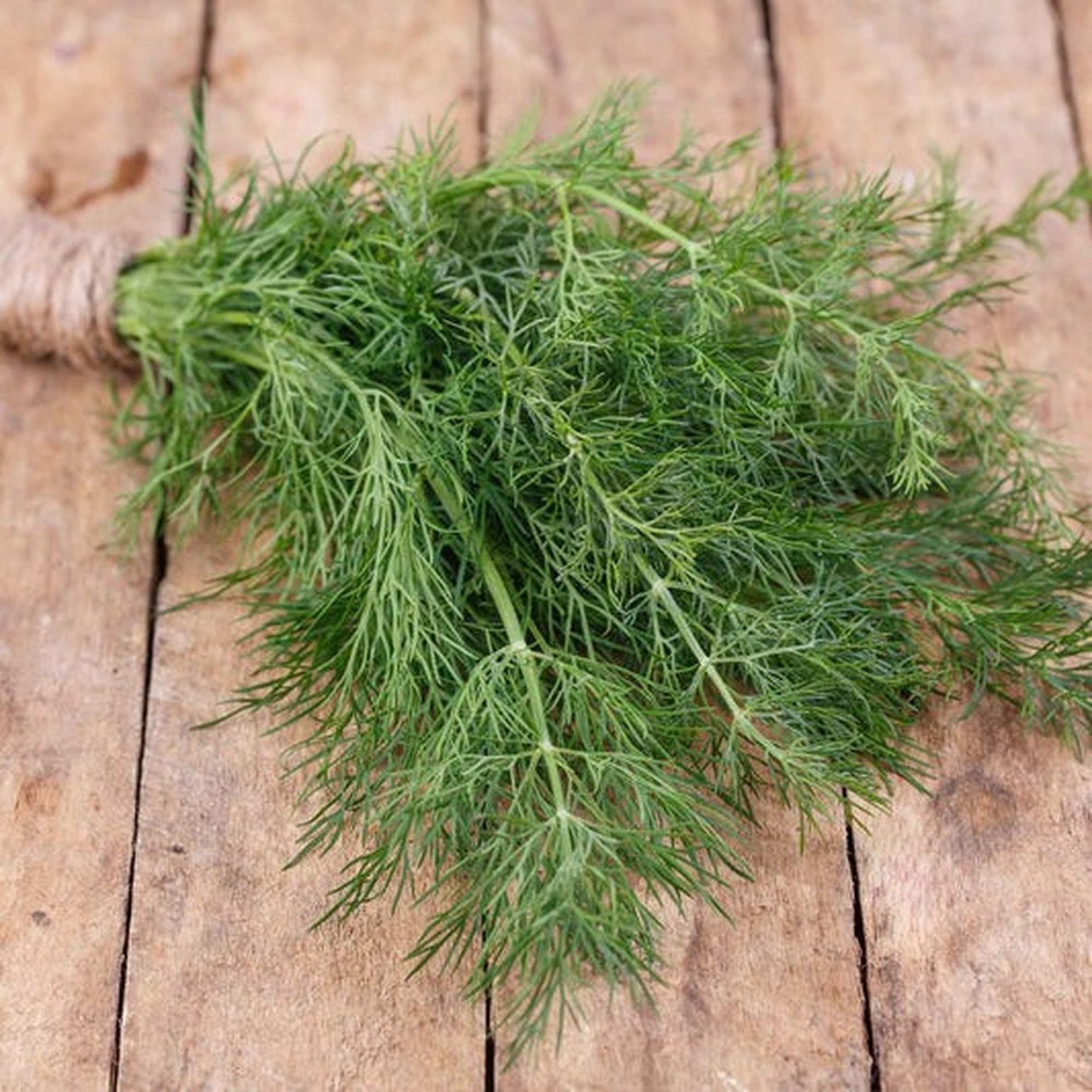
Dill is a fine-leaved aromatic herb grown for foliage and, if left to flower, mature seeds.
📦 Sowing Facts from Existing Listing
- Germination Temperature: 15–24°C
- Sowing Months (North India): October–February
- Sowing Months (South India): October–January
- Plant Spacing: 15–20 cm
- Method of Sowing: Direct sowing is preferred
- Sowing Depth: 0.5–1 cm
- Approximate Harvest Period: 40–60 days for leafy harvest Sowing & Growing Guide
1. 🌱 How to Sow & Establish
Direct sow into loose soil because its taproot dislikes transplanting; use succession sowing for leaf harvest.
2. ☀️ Light, Soil & Water
- Sun: Full sun in cooler growing weather.
- Soil: Deep, loose, well-drained soil with modest compost.
- Water: Keep soil gently moist until established, then water roots during dry spells.
3. 🌿 Feeding & Routine Maintenance
Use a modest amount of compost; avoid high-nitrogen feeding.
4. 🐛 Common Pests
Check aphids and caterpillars, but identify beneficial butterfly larvae before removal. Use only locally approved plant-specific treatments where necessary, following label directions.
5. 🛡️ Disease Prevention
Prevent damping-off and leaf blight through clean media, drainage and spacing.
6. ✂️ Harvest & Aftercare
Cut young leafy tips as needed; for seed, let umbels mature and dry before collecting.
❓ FAQ
Can I harvest both leaves and seeds? Yes, but heavy leaf cutting can reduce later seed production.
Seed-lot identity, local climate, soil and care affect performance. Timing is indicative, not a guarantee; follow the seed packet if it differs. No medical or unverified food-safety claims are made.
Only logged in customers who have purchased this product may leave a review.







Reviews
There are no reviews yet.