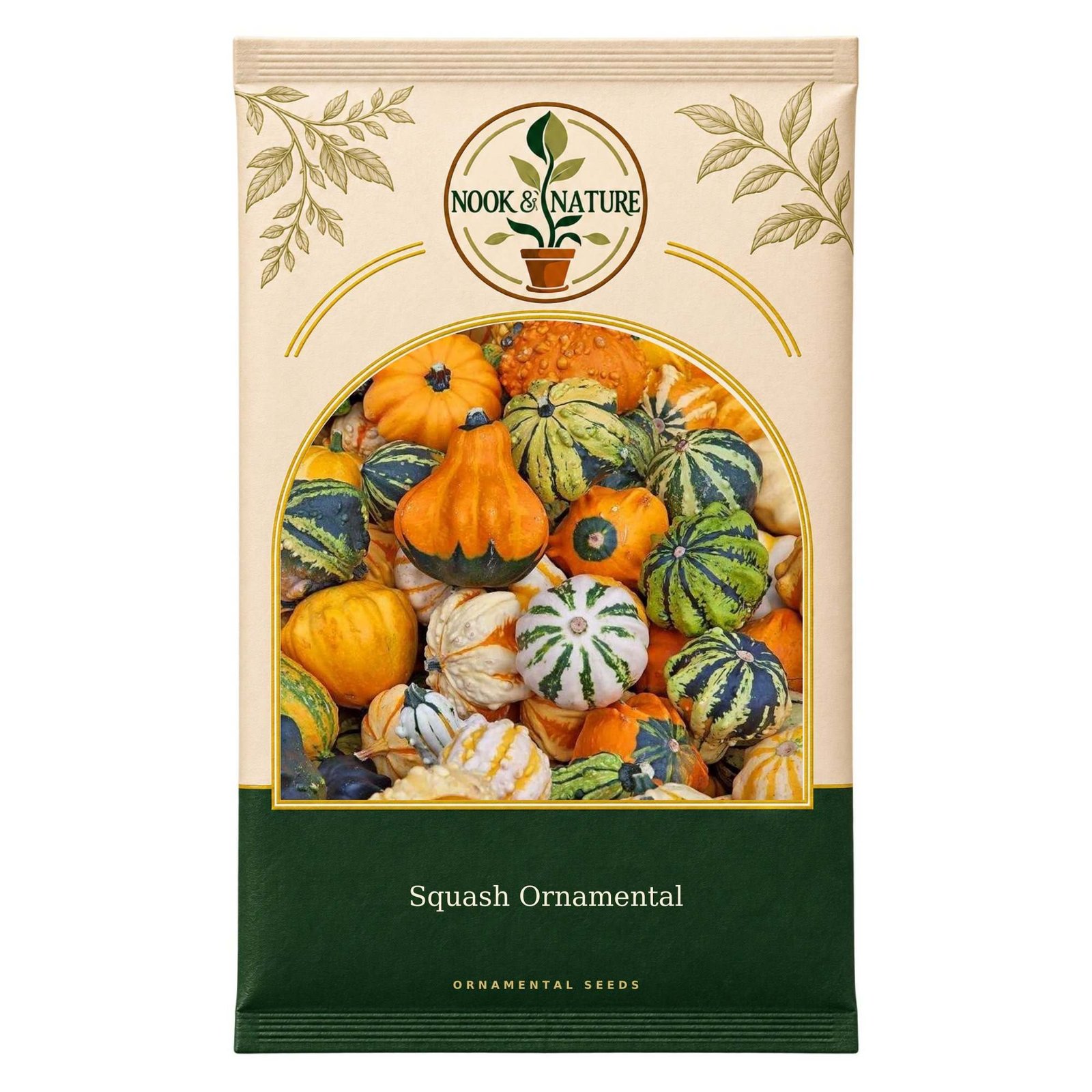
🌱 Ornamental Squash Seeds — Growing & Care Guide
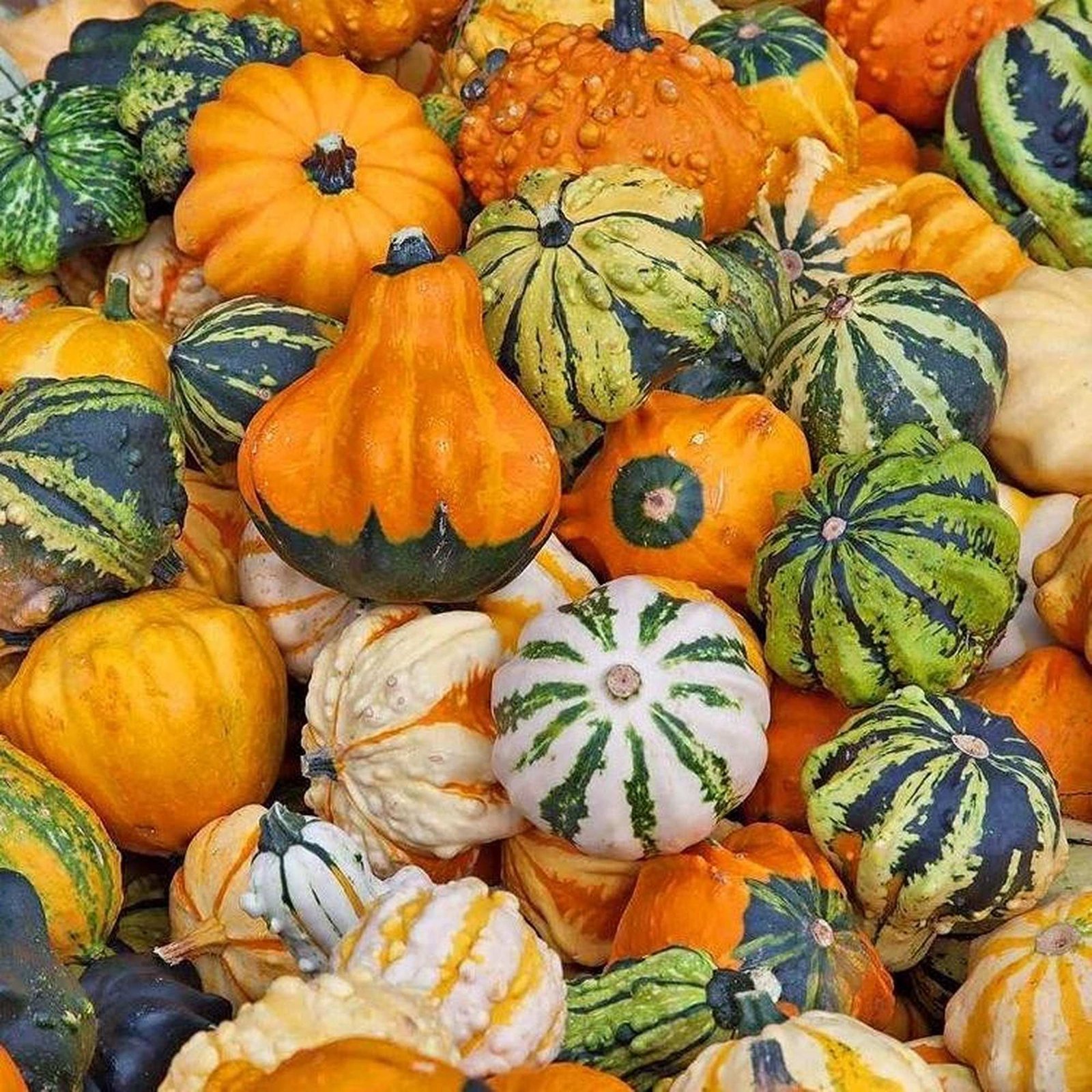
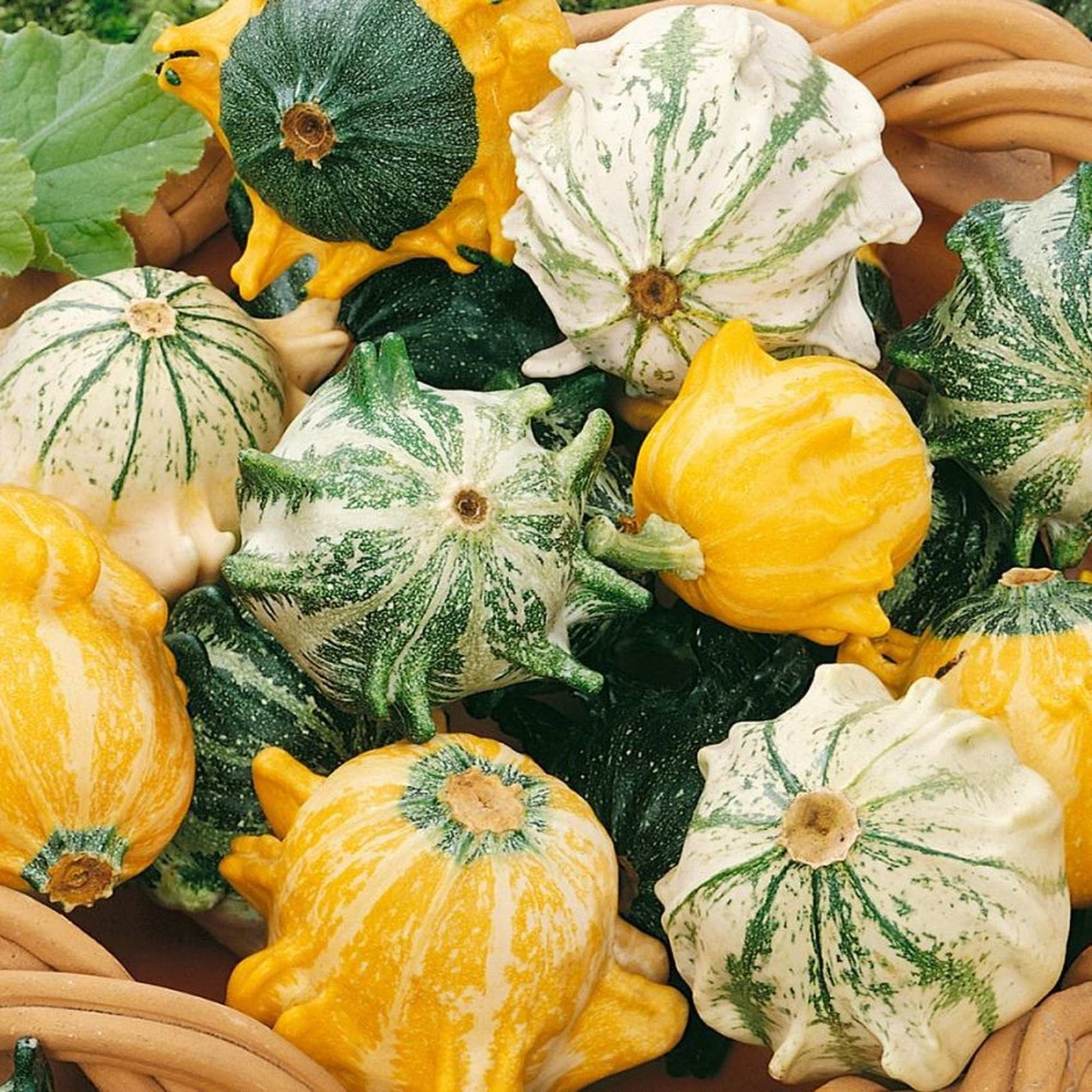
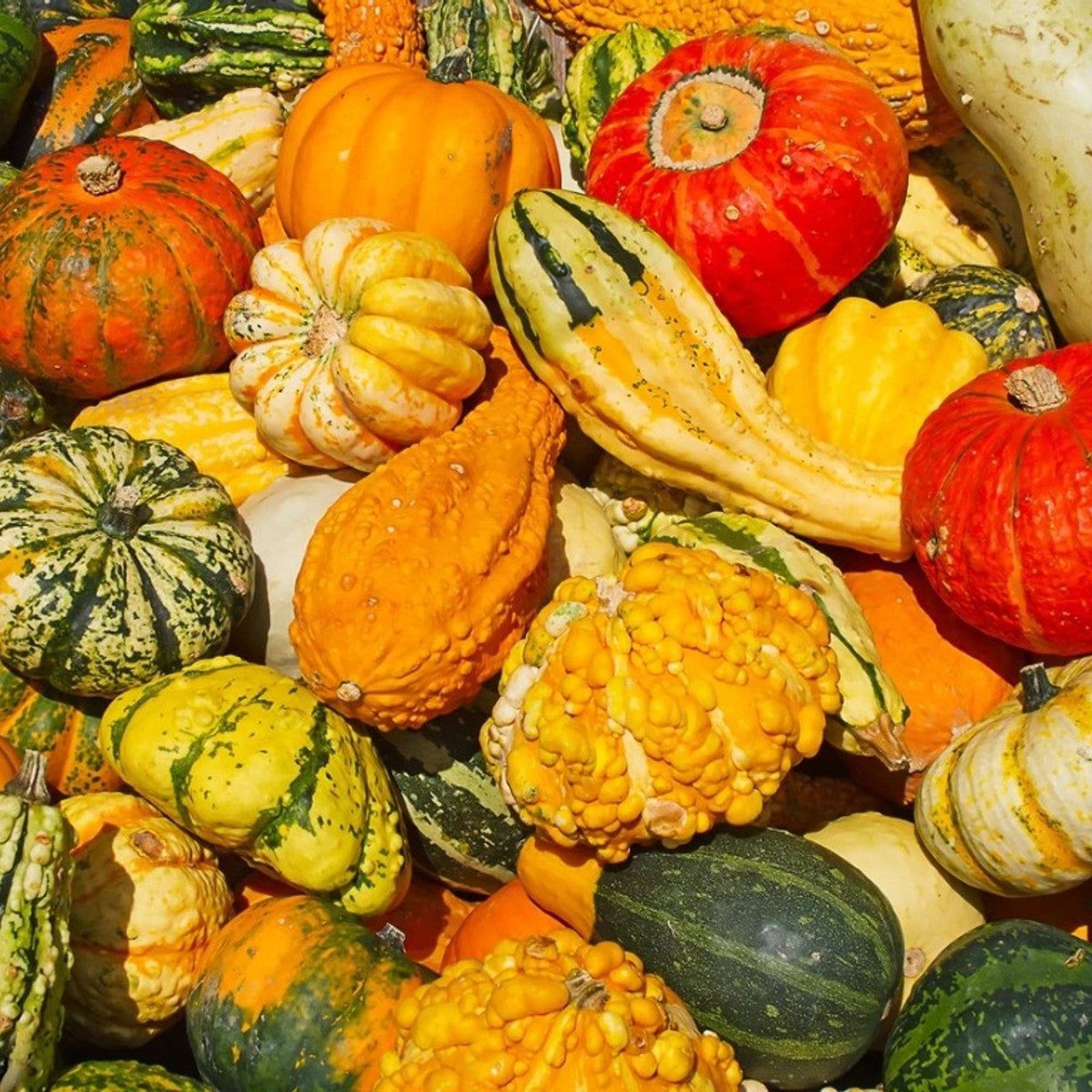
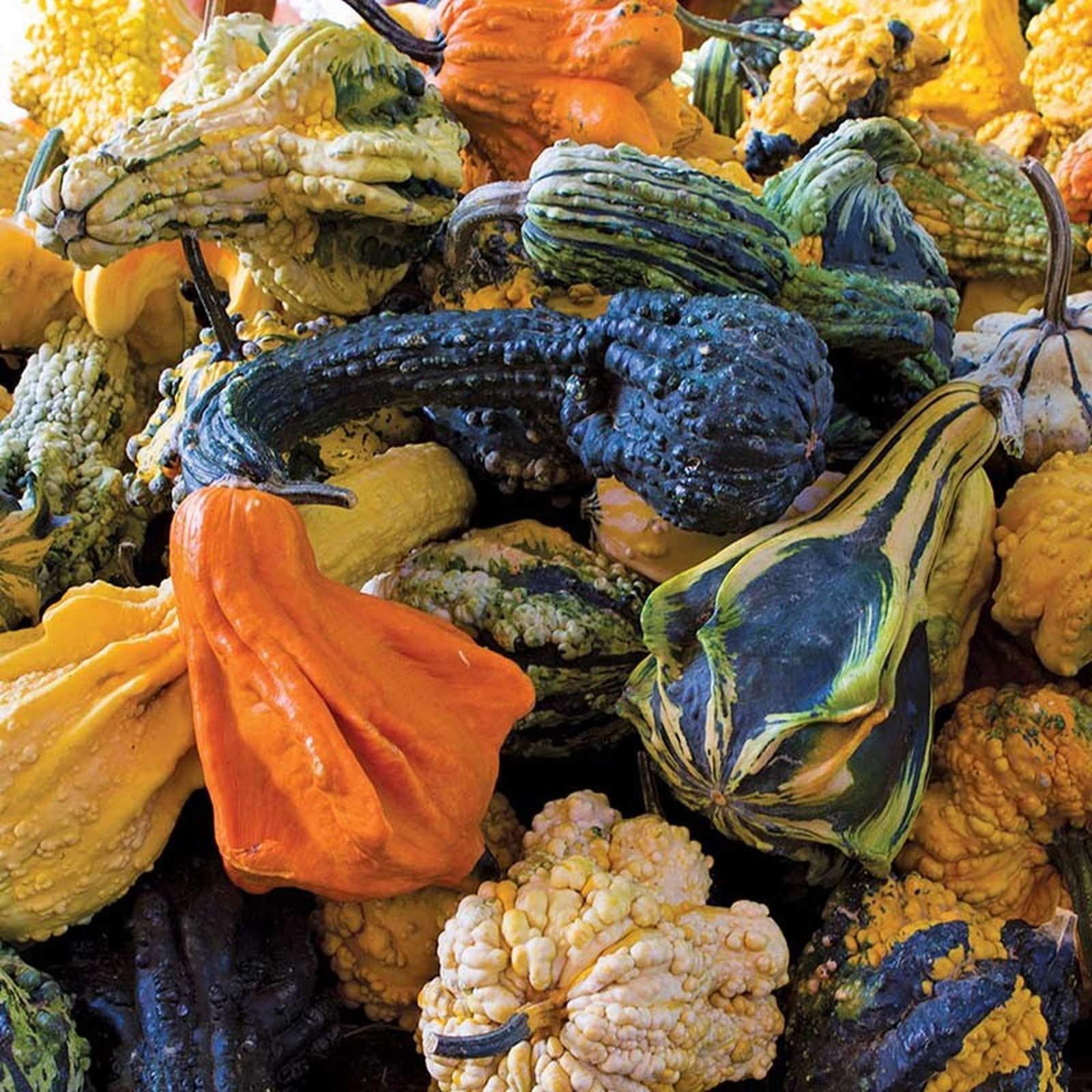
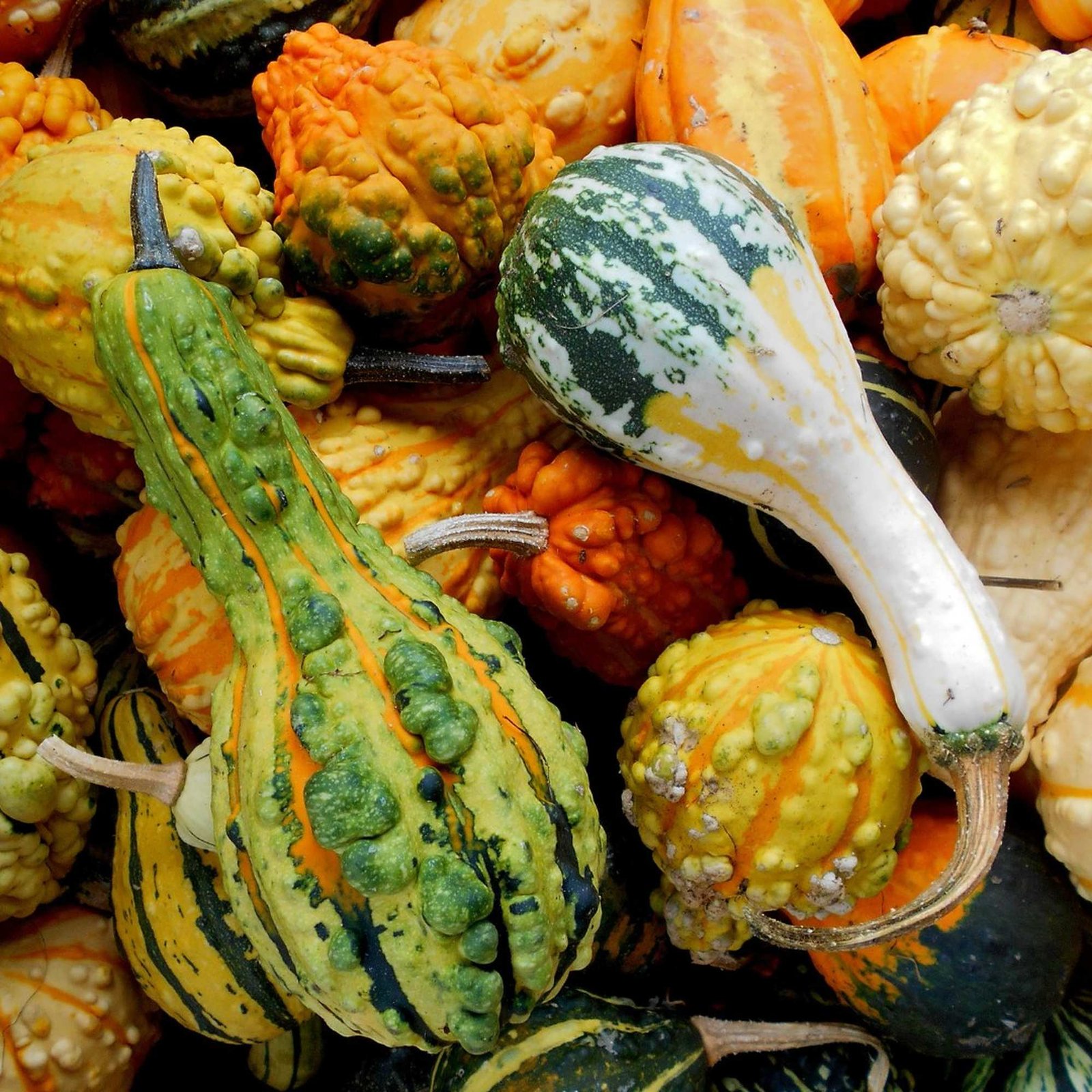
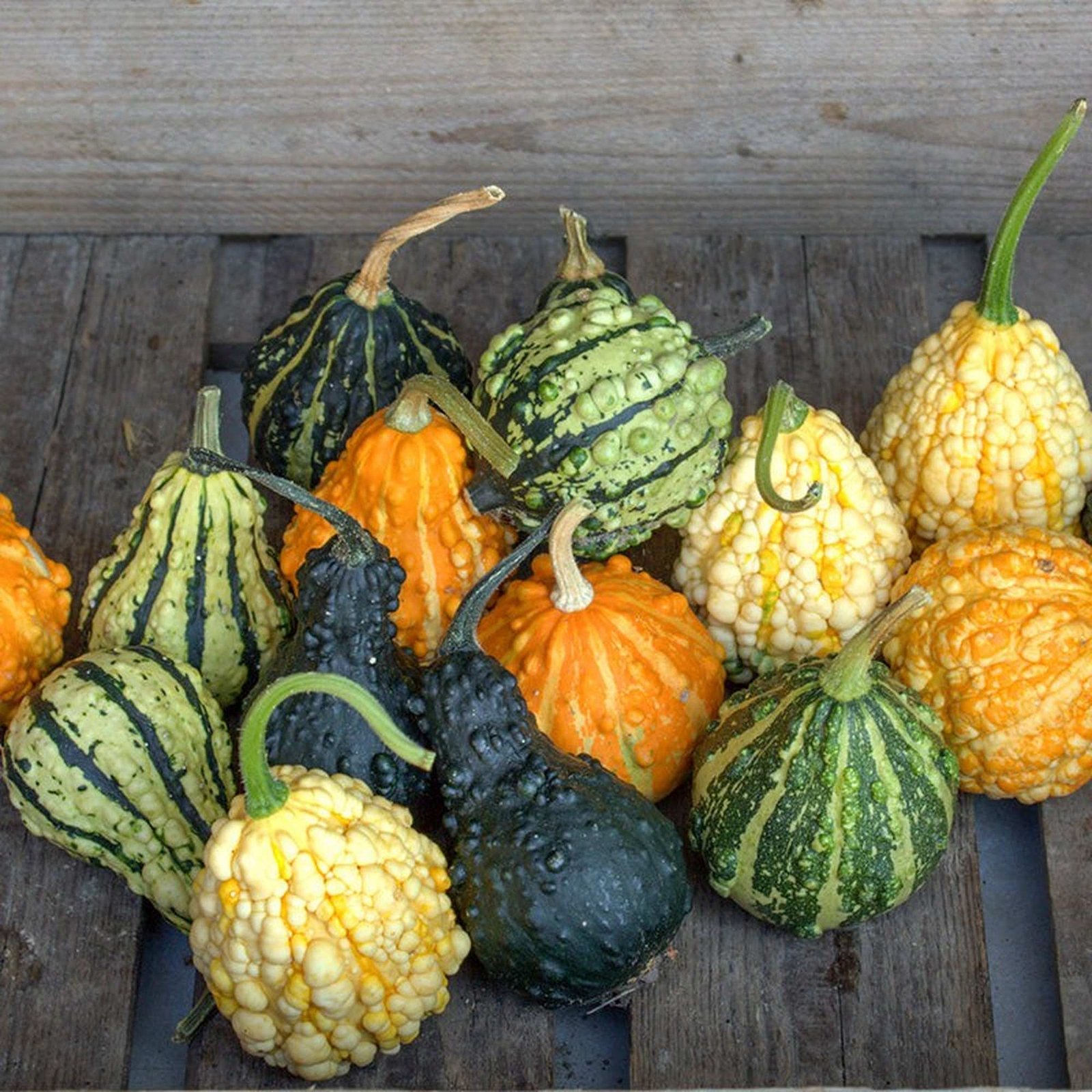
Ornamental squash is grown for decorative fruits with variable shapes, patterns and colours, not automatically for eating. Detailed guidance from sowing and establishment to plant protection and harvest or maintenance.
✨ Product Highlights
Ornamental squash is grown for decorative fruits with variable shapes, patterns and colours, not automatically for eating.
📦 Original Product Growing Facts
- Germination Temperature: 22–30°C
- Sowing Months (North India): January–March and June–July
- Sowing Months (South India): January–August
- Plant Spacing: 60–120 cm depending on variety
- Method of Sowing: Direct sowing
- Sowing Depth: 2–3 cm
- Approximate Maturity Period: 55–100 days
1. 🌱 Sowing & Establishment
Direct sow in warm soil with enough room for vigorous cucurbit vines; use a trellis only if it can support fruit weight.
2. ☀️ Sunlight, Soil & Water
- Light: Full sun and warm temperatures.
- Soil: Fertile, compost-enriched soil with reliable drainage.
- Water: Water roots steadily during flowering and fruit development.
3. 🌿 Fertiliser & Routine Care
Feed moderately with balanced nutrients; excess nitrogen may reduce fruiting.
4. 🐛 Pests & Prevention
Inspect squash bugs, aphids, fruit flies and caterpillars; remove damaged fruits. Use only locally approved crop- or lawn-labelled treatments when necessary.
5. 🛡️ Disease Prevention
Rotate cucurbits, improve airflow and prevent powdery mildew and root rot.
6. 🧺 Harvest / Turf Maintenance
Let ornamental fruits mature fully before cutting for display, then cure in a dry ventilated area where suitable.
❓ Customer FAQ
Are ornamental squash fruits edible? Do not assume ornamental varieties are edible; bitter ornamental gourds may be unsafe to eat.
Climate, variety, seed storage and aftercare affect performance. Timings are indicative. Original packet directions take priority.
Only logged in customers who have purchased this product may leave a review.






Reviews
There are no reviews yet.