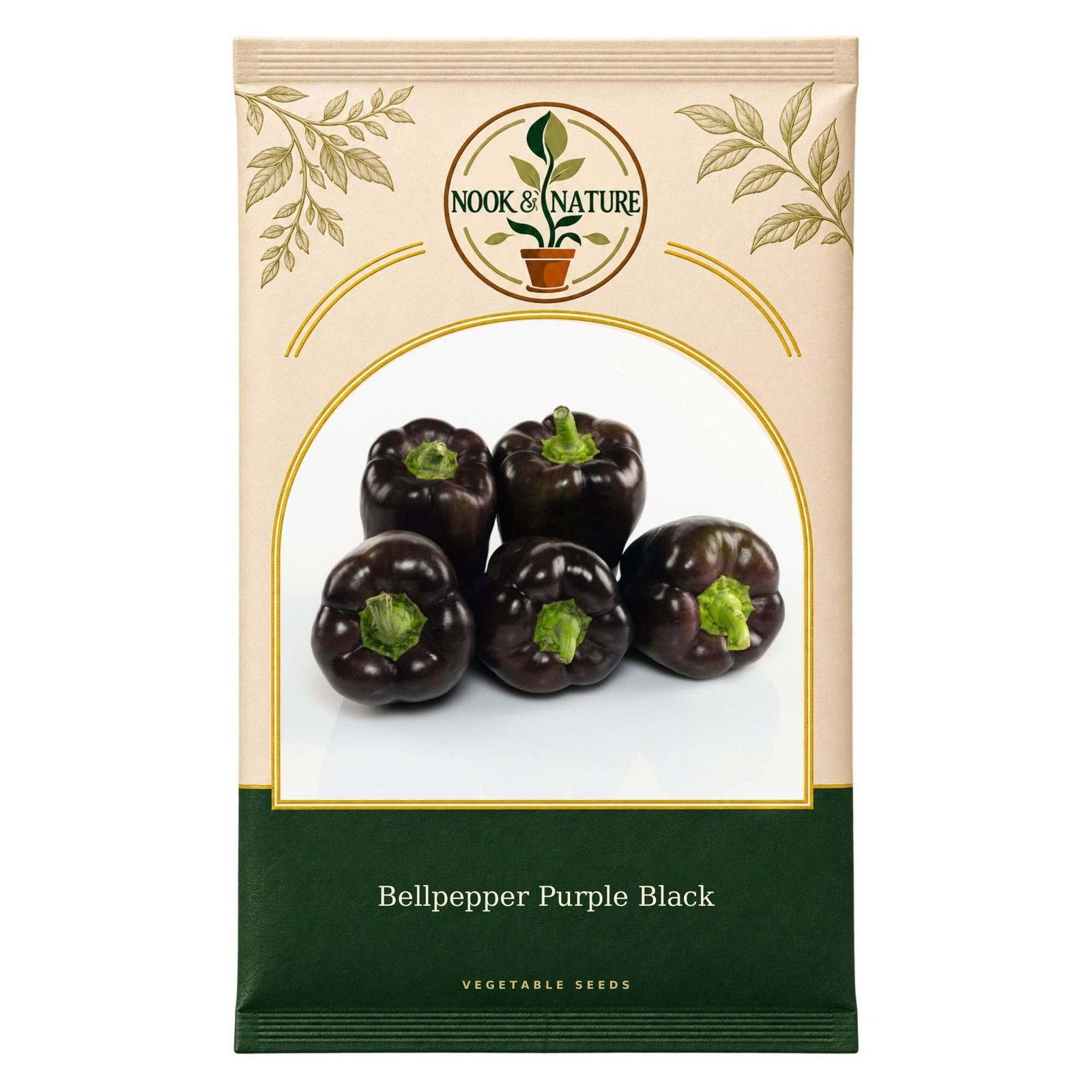
🌱 Bell Pepper Purple Black Seeds — Complete Growing & Care Guide
Capsicum crop selected for its named fruit colour and form, grown for kitchen harvest. Original listing characteristics and sowing specifications are preserved below.
📦 Original Product Facts
Description
Bell Pepper Purple Black Seeds is a vegetable seed variety suitable for home gardens, kitchen gardens, pots, grow bags and suitable open-field cultivation. Plant growth, colour, yield and maturity may vary depending on climate, soil, sunlight, watering, nutrition and after-care.
Key Features
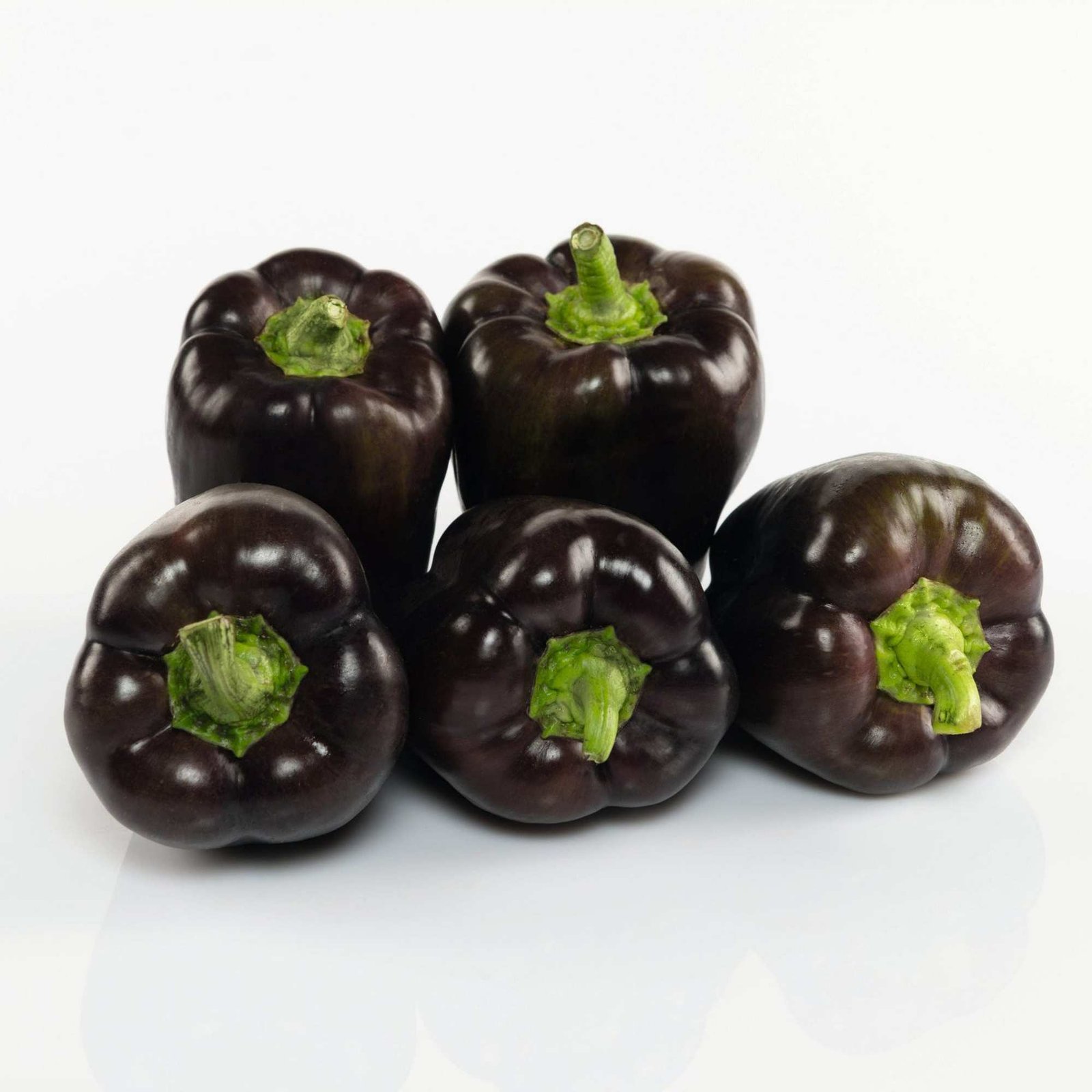
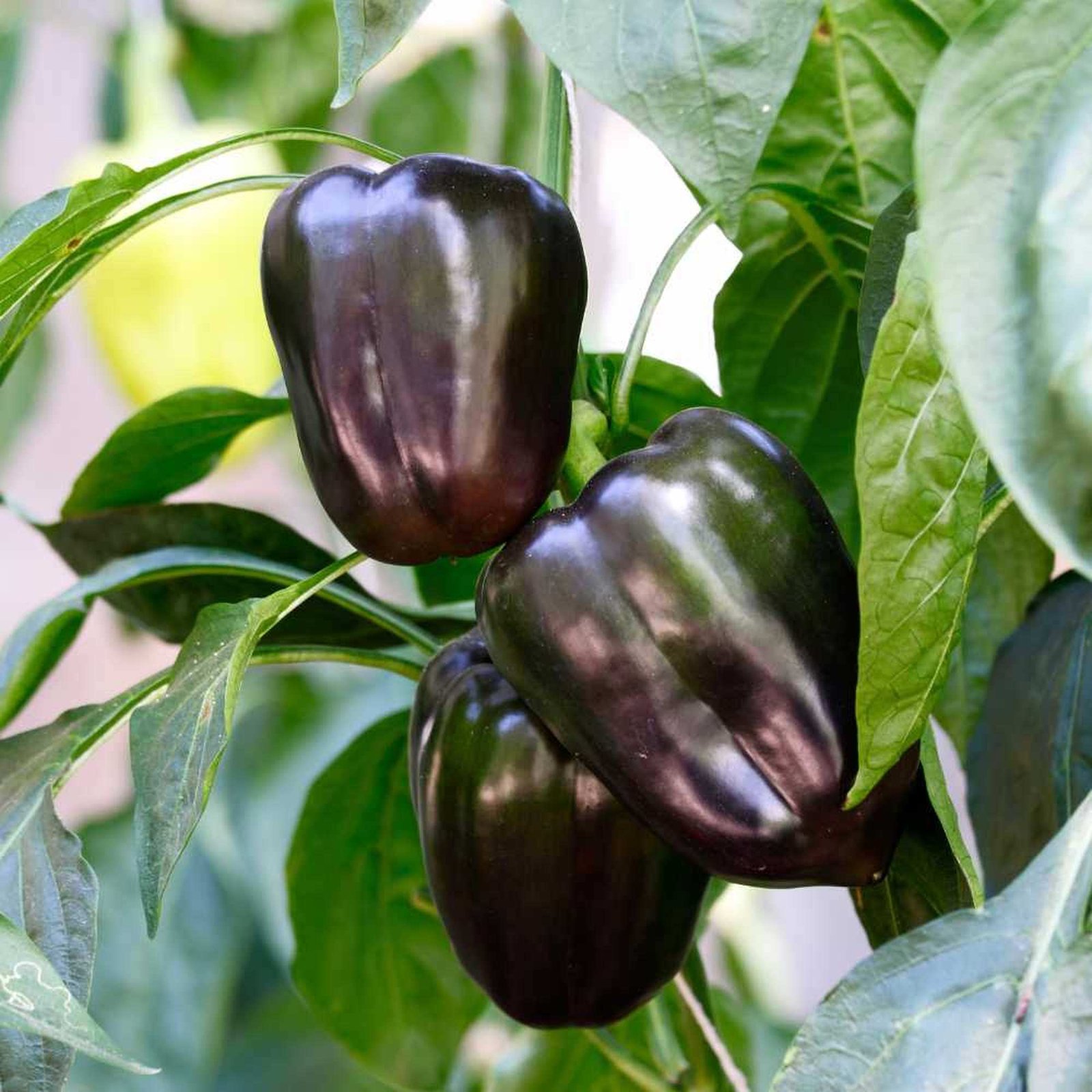
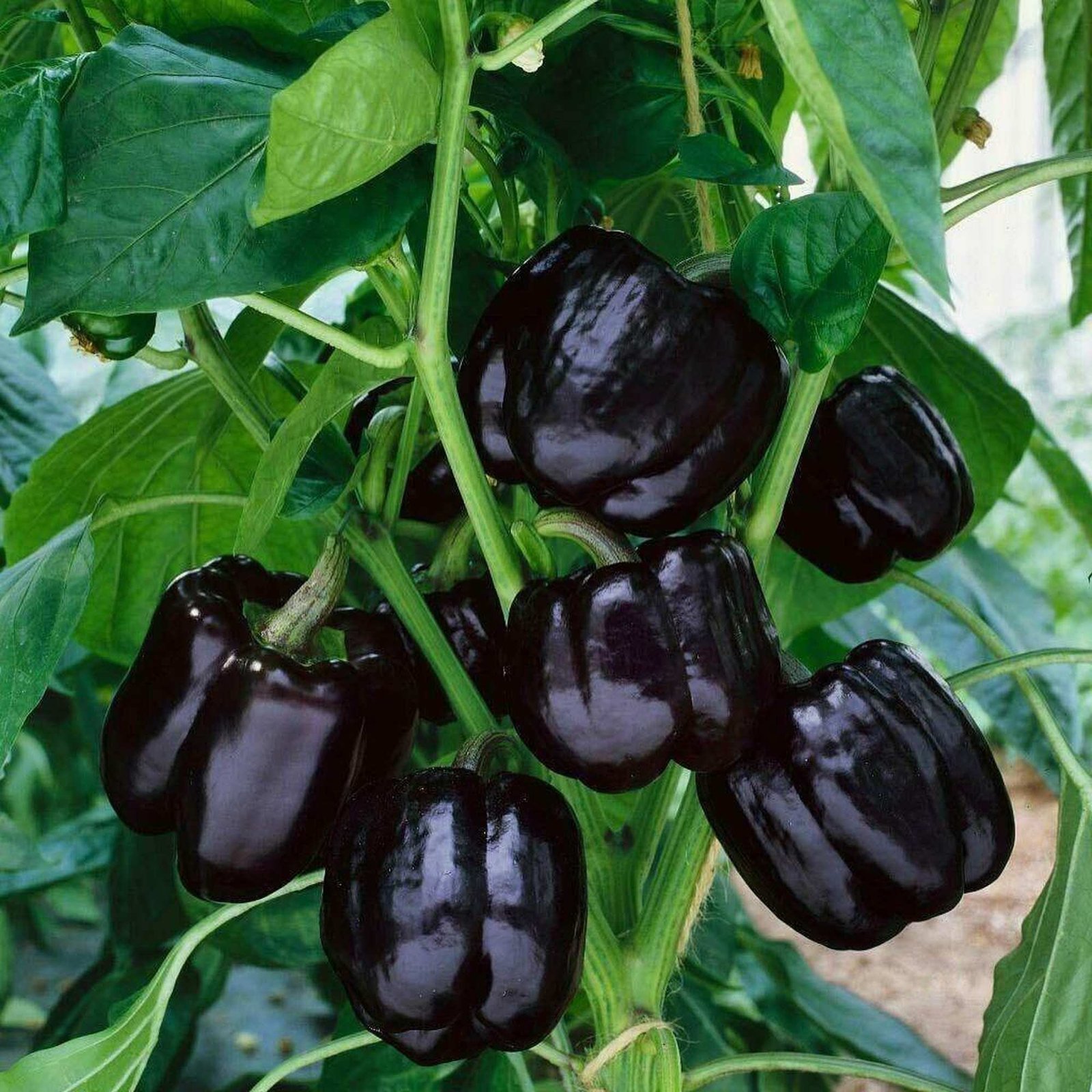
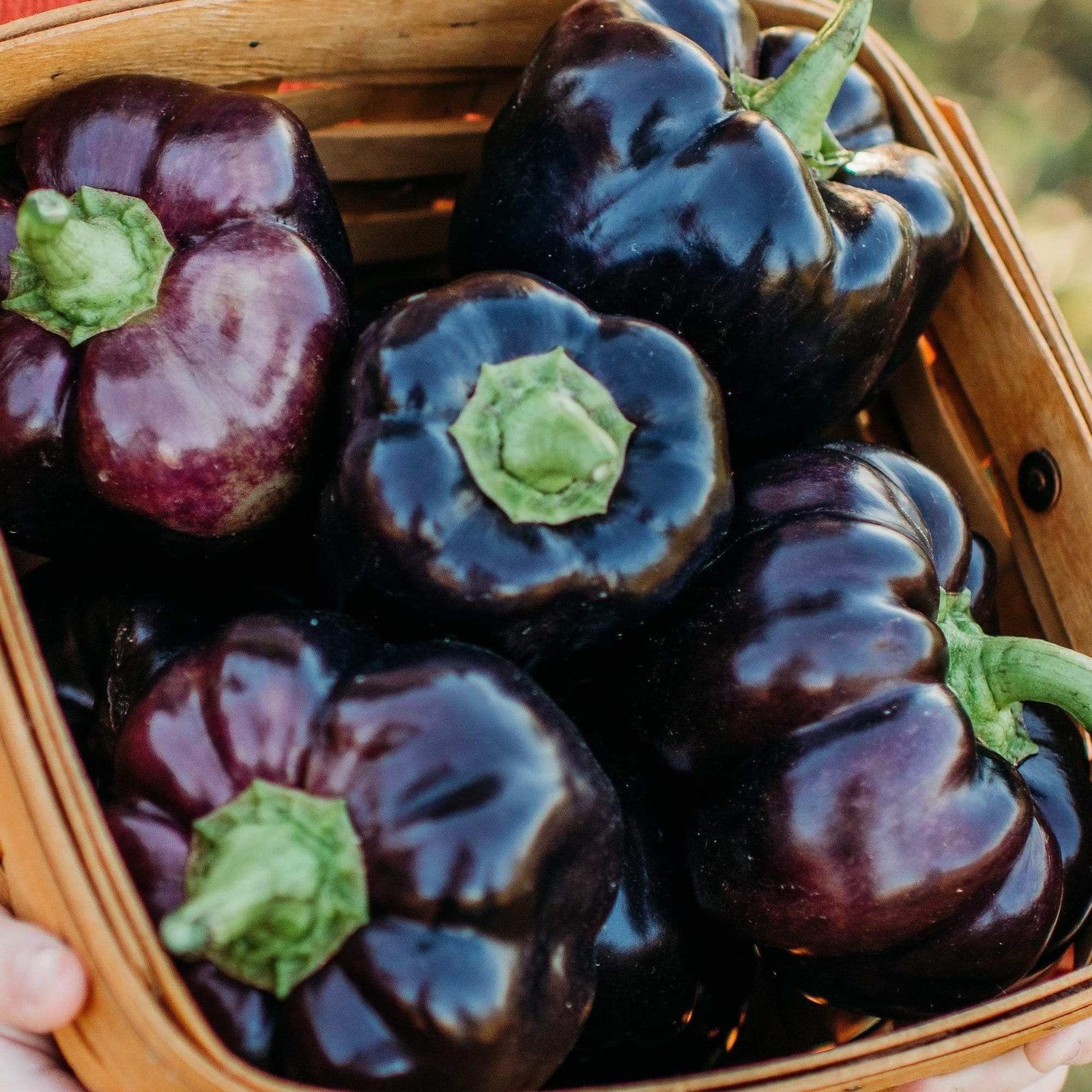
- Distinctive dark, purple or violet produce
- Suitable for pots, grow bags, kitchen gardens and protected cultivation
- Suitable for home gardens, kitchen gardens and small-scale cultivation
- Best results in well-drained soil with suitable sunlight and regular care
- Keep the growing medium evenly moist during germination and avoid waterlogging
Growing Information
- Germination Temperature: 22–30°C
- Sowing Months (North India): January–March and June–July
- Sowing Months (South India): Most of the year in mild climates
- Plant Spacing: 45–60 cm
- Method of Sowing: Nursery raising followed by transplanting
- Sowing Depth: 0.5–1 cm
- Approximate Maturity Period: 75–110 days
Important: This growing information is general guidance. Follow the instructions printed on the original seed packet wherever available. Germination and crop performance depend on seed storage, local weather, soil quality, sowing depth, moisture, nutrition and crop care.
🌱 Sowing & Seedling Establishment
Start seed in a clean warm nursery medium; transplant after several true leaves develop and nights are mild. Do not expose new plants to frost. Keep the starting medium moist but never waterlogged; germination depends on warmth, viability and storage.
☀️ Soil, Sunlight & Spacing
Provide strong sunlight, fertile well-drained soil and healthy airflow; choose a deep pot for balcony growing. Allow mature spacing according to the packet, avoiding competition and crowding.
💧 Water & Fertiliser
Water deeply when the surface soil starts to dry, increasing attention during flowering and fruit formation. Feed modestly with balanced crop-appropriate fertiliser at label rates; avoid excess nitrogen that favours leaves over blooms or fruit.
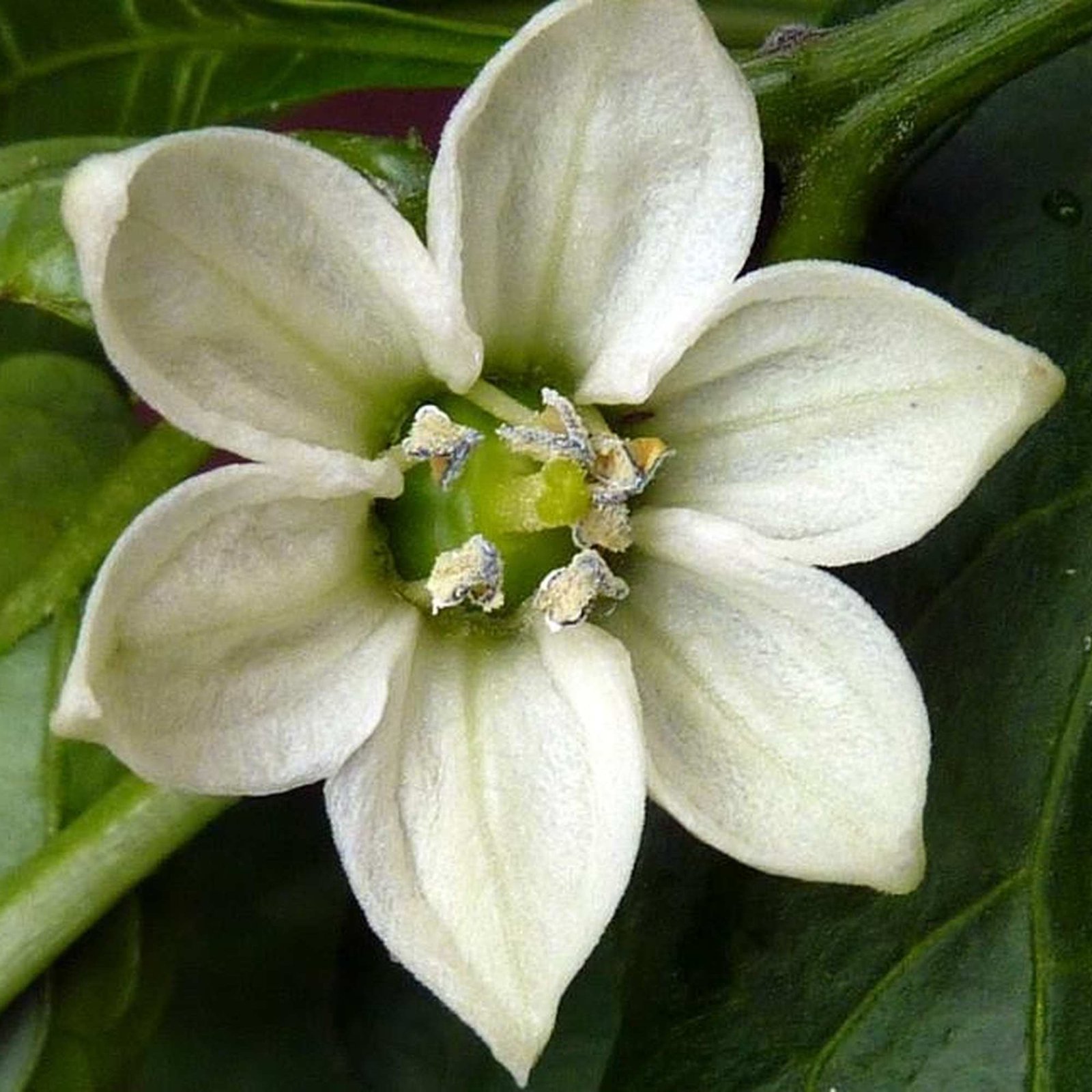
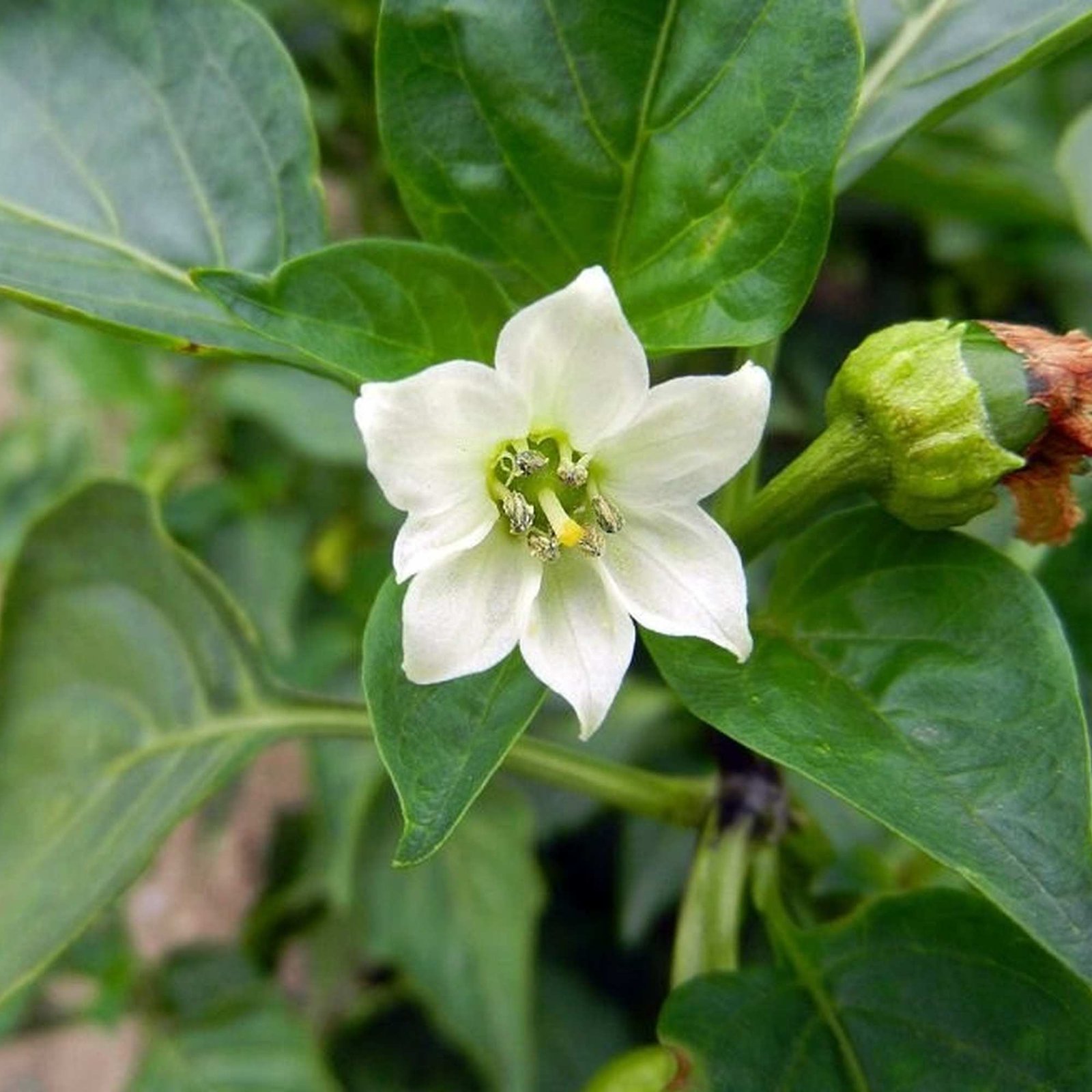
🌼 Flowering & Pollination
Encourage pollinating insects and keep plants evenly watered through bloom. Heat, cold or irregular irrigation can cause blossoms to fall.
🐛 Pest & Disease Management
Monitor aphids, whiteflies, thrips, spider mites and leaf spot. Good drainage, crop rotation and removing affected foliage reduce disease pressure. Check leaf undersides weekly and treat only using crop-authorised products at prescribed rates, especially near edible harvest.
🧺 Harvest & Maintenance
Harvest fruits when they reach the desired green or named mature colour and a firm texture. Pick using scissors; uneven watering or poor pollination can reduce fruit set. Maturity depends on local conditions and the specific seed line.
❓ Common Questions
Can it grow in a pot? Yes if the pot has drainage, enough light and sufficient space.
What causes yellow leaves? Check watering, nutrition, pests and soil drainage.
Why slow growth? Unsuitable temperature, crowding or root stress are common causes.
Guidance is illustrative; packet directions govern actual sowing, cultivation and use.
Frequently Asked Questions
What is the suitable germination temperature? 22–30°C.
When can I sow these seeds in North India? January–March and June–July.
How deep should I sow the seeds? 0.5–1 cm.
What plant spacing is recommended? 45–60 cm.
When can I expect flowering or harvest? The product guide lists 75–110 days; actual timing varies by season and growing conditions.








Reviews
There are no reviews yet.