🌻 Rainy Daisy – Dimorphotheca Glistening White Seeds — Complete Seed-to-Bloom Growing Instructions
Flowering ornamental plant for a suitable garden border or well-drained container. Original saved seed packet specifications and cultivar details are preserved below.
📦 Product Specifications
Rainy Daisy – Dimorphotheca Glistening White Seeds
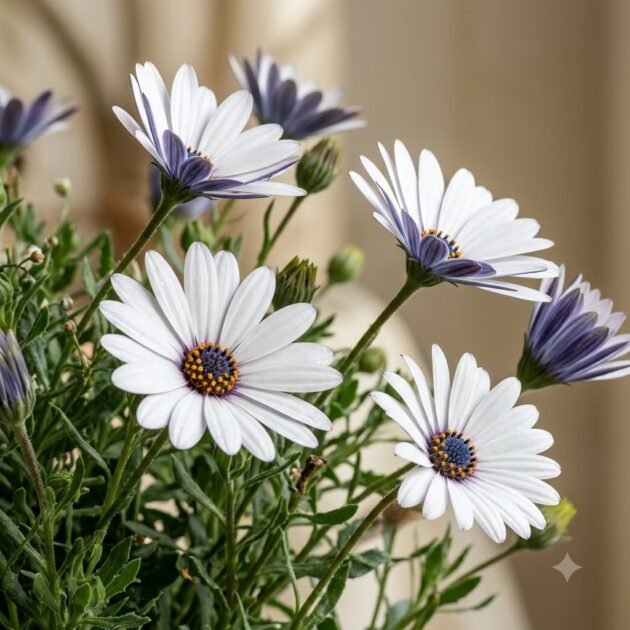
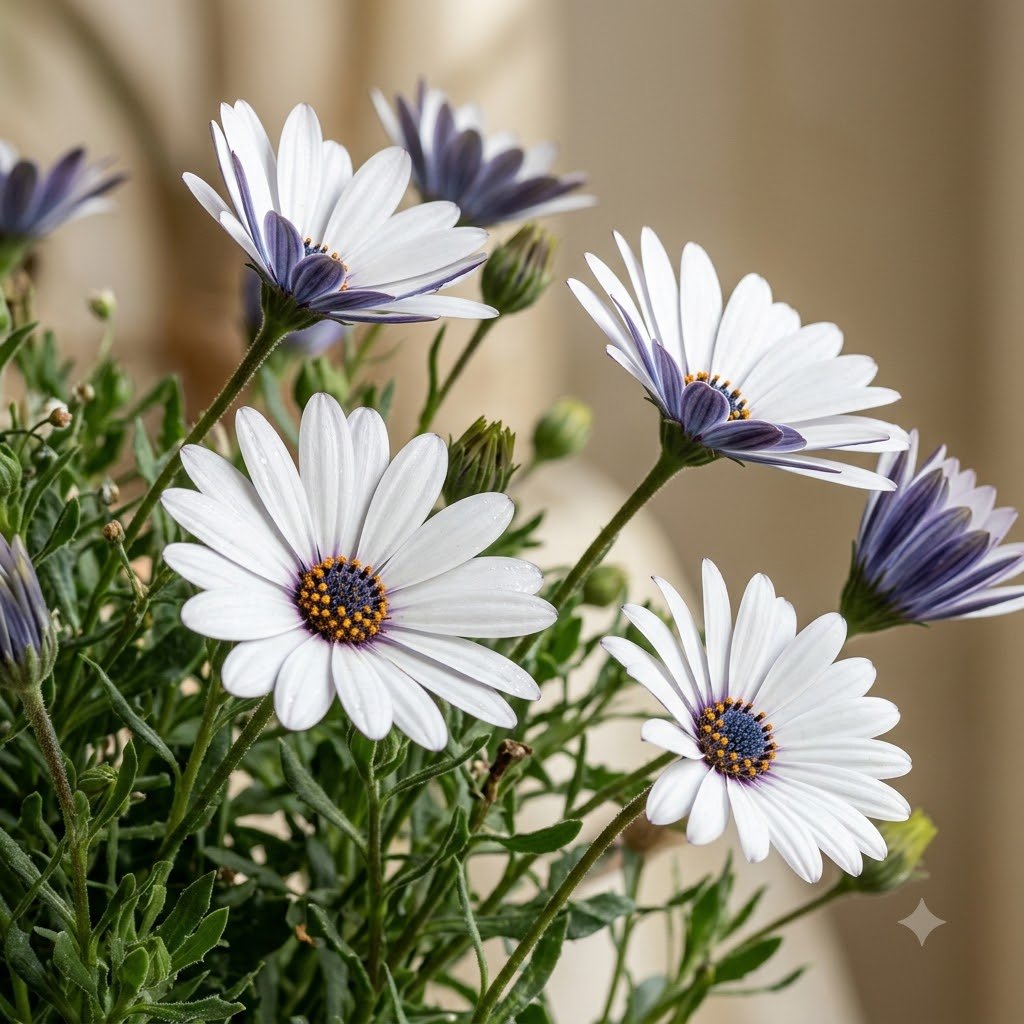
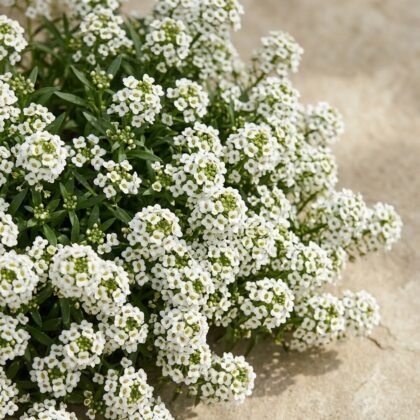
The term “Rainy Daisy” refers to Dimorphotheca pluvialis, a species of daisy also called the Cape rain-daisy, which is native to South Africa and Namibia. The name is also a reference to its appearance, with the flowers opening fully and turning towards the sky after rain.
Product Highlights
- White or yellowish petals that can have blue or purple markings, particularly on the undersides and near the center.
- The central disc flowers are often white or yellowish with purple tips.
- Winter Season (October to February): This is the ideal time to sow Dimorphotheca seeds in India, as the plant thrives in mild and cool temperatures.
Growing Guidance
Refer to the variety-specific instructions on the original seed packet. Germination and flowering depend on soil, season, watering and ongoing care.
🌱 Sowing and Early Growth
Choose The seed packet’s indicated sowing season and germination temperature. Sow at the recommended depth in a fine, clean, free-draining medium. Keep seedlings evenly moist without flooding, then thin overcrowded growth. Transplant carefully only when rooted and when suitable to the species.
☀️ Soil, Light and Spacing
Use bright sunlight and adequate spacing for mature plants. Improve garden soil with fully decomposed compost, avoid compacted poorly drained soil and use containers with sufficient root room. Protect tender starts from extreme heat and rain.
💧 Watering and Fertiliser
Moisten newly sown seed gently. When roots are established, water thoroughly at soil level when the top layer begins to dry. Do not keep pots submerged. Use a balanced fertiliser suitable for blooming plants at its label rate if growth indicates a need. Overfeeding nitrogen can lead to excess leaves instead of flowers.
🌼 Blooming and Pruning
Remove finished flowers and weak foliage using clean cutters, supporting tall or climbing stems as required. Leave healthy green growth so plants can keep flowering, and remember hybrid seed may not reproduce the parent colour consistently.
🐛 Pests, Mildew and Rot
Watch for aphids, caterpillars, slugs, mites and leaf spots or powdery mildew. Avoid crowded foliage. Inspect plants weekly; remove visibly diseased growth, increase ventilation and avoid splash irrigation. Use only locally registered ornamental treatments and protect pollinators.
❓ FAQs
Can I plant in containers? Yes, if roots have space and water can drain.
Why are there few flowers? Lack of sun, season mismatch, drought or nitrogen-heavy fertiliser can be responsible.
Why did seedlings fall over? Wet media, crowding, low light and damping-off are possible causes.
Germination time, bloom performance and seed count vary with season and packet lot; use original instructions as the source of truth.






Reviews
There are no reviews yet.